
The first hours after water damage matter more than anything that comes after. Stop the water, make the home safe, document what happened, and get professional drying started fast. Those four moves limit the damage, prevent mold, and protect your insurance claim.
Whether it is a burst pipe, a failed water heater, or a basement that took on water overnight, panic is normal. This emergency checklist from the Restor KC team walks Kansas City homeowners through exactly what to do, in order.
Your First-Hour Water Damage Checklist
- Make sure everyone is safe. If water is near outlets, power strips, or the electrical panel, do not walk through it. Turn off power to the affected area at the breaker only if you can reach it from a dry spot. If the ceiling is sagging, stay out of that room.
- Stop the source of the water. Shut off the main water valve, usually in the basement near the water meter or where the line enters the house. For a single fixture, close its supply valve. For a water heater, shut off the cold-water inlet.
- Take photos and video before you move anything. Capture wide shots of each room, close-ups of the damage, the source of the leak, and any damaged belongings. This is the foundation of your insurance claim.
- Call a 24/7 water damage restoration company. Professional extraction and structural drying should start as soon as possible. Every hour of standing water lets it wick farther into drywall, flooring, and framing.
- Call your insurance company or agent. Report the loss promptly and write down your claim number and adjuster contact.
- Move valuables and furniture out of the water. Lift furniture onto foil or wood blocks, pick up rugs, and move electronics, photos, and documents to a dry room.
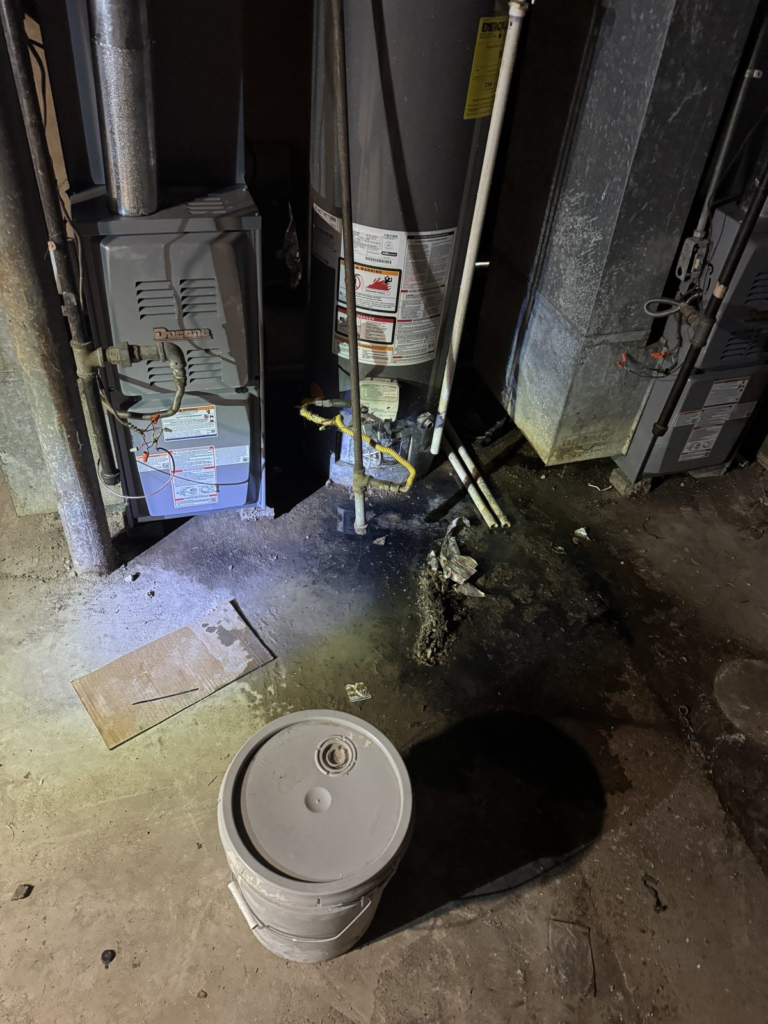
What NOT to Do After Water Damage
- Do not use a household vacuum to pick up water. It is an electrical shock hazard and will ruin the vacuum.
- Do not turn on ceiling fans or lights in a room with a wet ceiling.
- Do not throw away damaged materials before your adjuster sees them or approves disposal.
- Do not make permanent repairs before the insurance inspection. Emergency mitigation is fine and expected.
- Do not wait to see if it dries on its own. Surfaces may feel dry while the wall cavity, subfloor, and insulation stay wet for weeks.
- Do not touch sewage or floodwater without protective gear. Contaminated water needs professional sewage cleanup.
Why Speed Matters: The 24 to 48 Hour Window
Water damage gets worse by the hour. Here is roughly what happens when water is left in a home:
| Time After the Leak | What Happens |
|---|---|
| First few hours | Water spreads across floors, wicks up drywall, and soaks carpet pad and furniture. |
| 24 to 48 hours | Drywall swells, wood floors begin to cup, musty odors start, and mold can begin to grow. |
| 48 hours to 1 week | Mold growth becomes likely, wood warps, and structural materials may need replacement. |
| More than 1 week | Serious structural damage, widespread mold, and a higher risk that insurance treats added damage as preventable. |
That is why the U.S. EPA’s mold guidelines call for drying water-damaged materials within 24 to 48 hours.
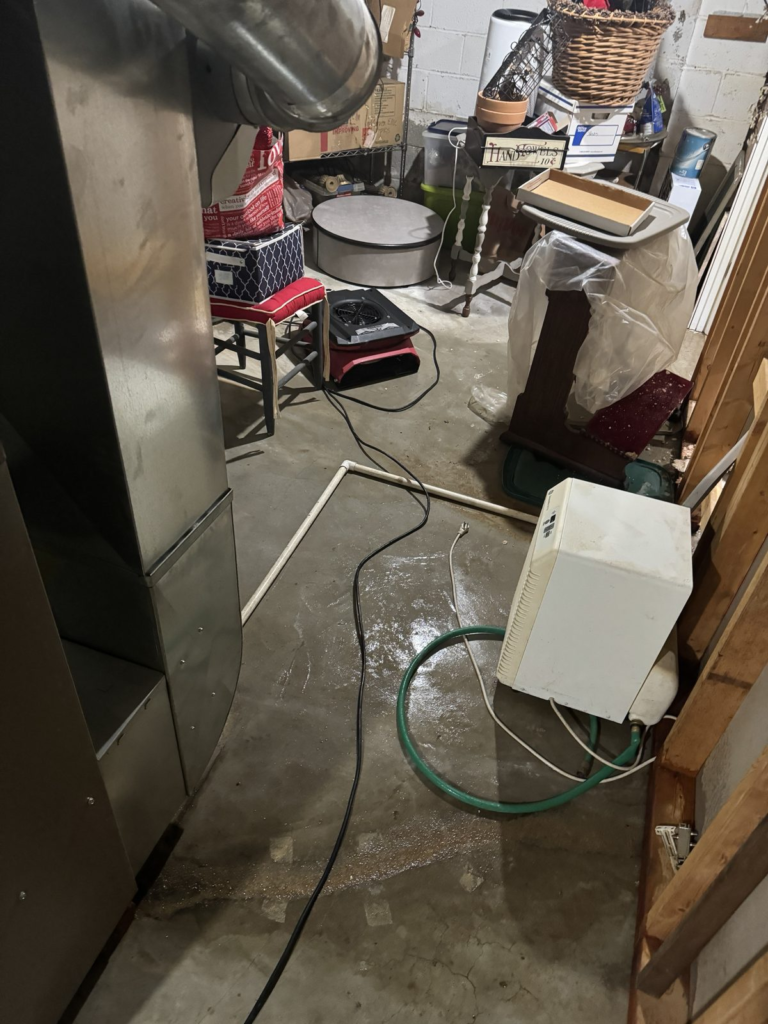
What Happens When Restor KC Arrives
When you call our emergency line, here is what to expect:
- Fast response, 24/7. A crew is dispatched to your home day or night.
- Inspection and moisture mapping. Our IICRC-certified technicians use moisture meters and thermal imaging to find every wet area, including water hidden in walls and under floors.
- Water extraction. We remove standing water with commercial extraction equipment.
- Controlled demolition when needed. Wet drywall, insulation, and carpet pad that cannot be saved are removed so the structure can dry.
- Structural drying. Commercial dehumidifiers and air movers run while we take daily moisture readings.
- Insurance documentation. Photos, moisture logs, and an Xactimate estimate are prepared for your adjuster.
- Reconstruction. Once dry, our team rebuilds, so you work with one company from start to finish.
Not sure who to call first? Read Do I Need Water Restoration or Just a Contractor? For insurance questions, see Will My Insurance Cover Water Damage Restoration?
Frequently Asked Questions
Should I turn off my water after a leak?
Yes. Shutting off the main water valve is the fastest way to stop more damage. Know where your shutoff is before an emergency happens.
Can I clean up water damage myself?
Small, clean spills caught right away can often be handled with towels and a wet vac. If water soaked into drywall, carpet pad, subfloor, or traveled to another room, professional drying is usually needed to prevent hidden moisture and mold.
How quickly should I call a water restoration company?
Immediately. The first 24 to 48 hours are critical for limiting damage and preventing mold growth.
Is it safe to stay in my home after water damage?
Often yes, if the electrical system is safe and the water was clean. Sewage backups, ceiling damage, or electrical hazards may make some areas unsafe until they are cleaned up.
Should I call my insurance company or a restoration company first?
Both, as soon as you can. Many homeowners call a restoration company first to stop the damage, then report the claim. Prompt mitigation is expected under most policies.
Water Emergency Right Now? Call Restor KC
Do not wait for water damage to get worse. Our IICRC-certified team will stop the damage, dry your home, and document everything for your insurance company.
Call 913-379-4445 or contact us online. Restor KC responds 24/7 across the Kansas City metro.
Restor KC: putting homeowners first, from the first call to the final walkthrough.