
If water got into your walls, floors, or ceiling in the last few days, you need water restoration first and a contractor second. A contractor rebuilds what was damaged. A water restoration company stops the damage, dries the structure, and proves it is dry before anything gets rebuilt.
We hear this question every week from Kansas City homeowners. A pipe bursts, the water heater fails, or the basement takes on water after a storm. The first instinct is to call a handyman or remodeler to “just replace the drywall.” That instinct is understandable, but it is often the most expensive mistake a homeowner can make.
In this guide, we break down the difference between water restoration and general contracting, the warning signs that tell you which one you need, and why getting the order right protects your home, your health, and your insurance claim.
What Does a Water Restoration Company Do?
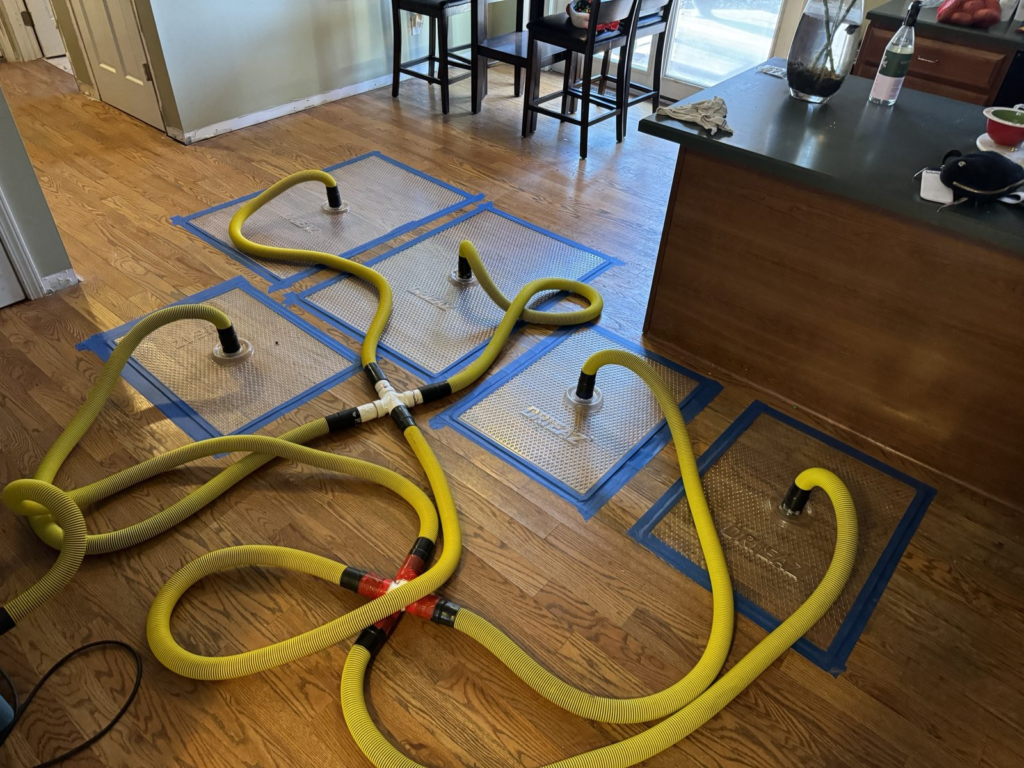
Water restoration, also called water mitigation, is the emergency phase of water damage. The goal is to stop the loss from getting worse. A professional water damage restoration company typically handles:
- 24/7 emergency response to stop active water and protect the property
- Water extraction with truck-mounted or portable extraction equipment
- Moisture mapping using moisture meters and thermal imaging to find water hidden behind walls and under floors
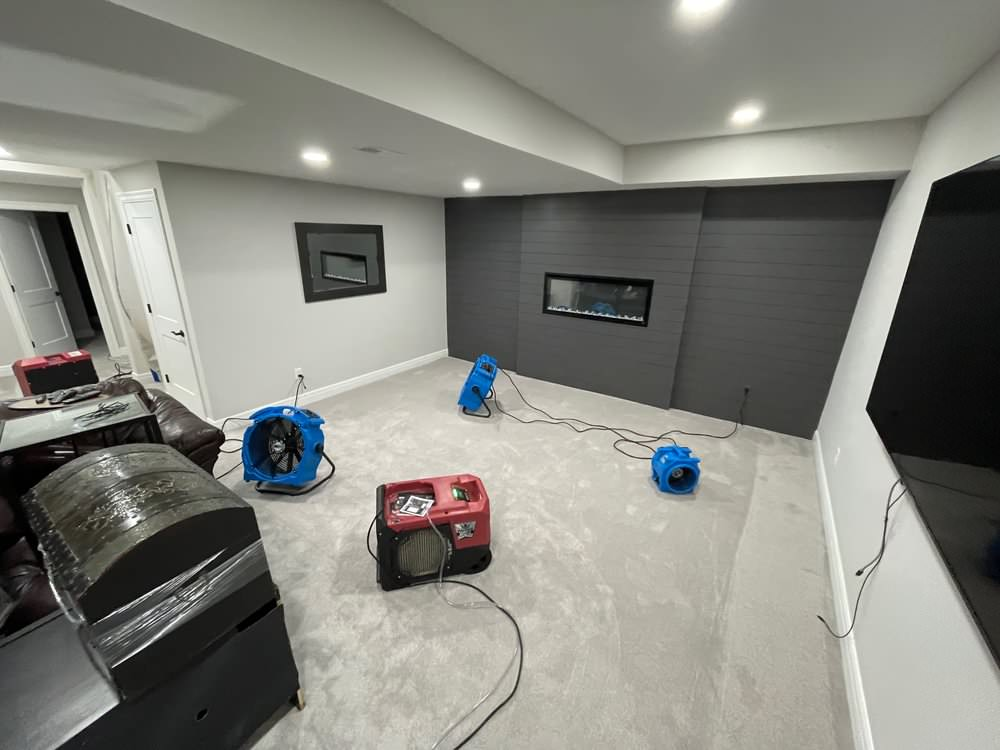
- Structural drying with commercial dehumidifiers and air movers
- Daily moisture readings to document that materials reach a dry standard
- Removal of unsalvageable materials such as soaked drywall, insulation, and carpet pad
- Antimicrobial treatment to reduce the risk of mold growth
- Insurance documentation including photos, moisture logs, and an itemized estimate
Reputable companies follow the IICRC S500 Standard, the industry’s recognized guideline for professional water damage restoration.
What Does a General Contractor Do?
A general contractor handles the rebuild. Once the structure is confirmed dry, a contractor:
- Hangs, tapes, and finishes new drywall
- Replaces insulation, trim, and baseboards
- Installs new flooring and cabinets
- Paints and completes finish carpentry
- Pulls permits and manages subcontractors when needed
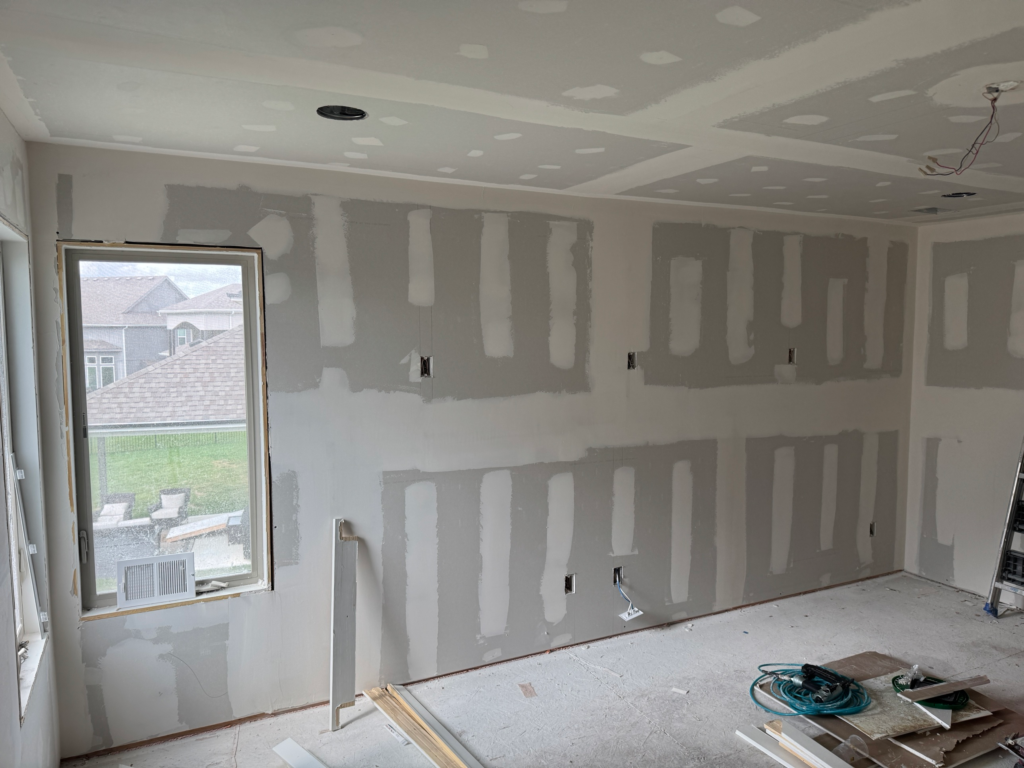
A good contractor is essential to finishing the job. But most contractors do not own drying equipment, do not take moisture readings, and are not trained to identify hidden water or microbial growth. That is not their role.
Water Restoration vs. Contractor: Side-by-Side
| Water Restoration Company | General Contractor | |
|---|---|---|
| Main job | Stop damage, dry the structure, prevent mold | Rebuild and finish damaged areas |
| When to call | Immediately, within hours of the water | After the structure is documented dry |
| Availability | 24/7 emergency response | Normal business hours, scheduled work |
| Equipment | Extractors, dehumidifiers, air movers, moisture meters, thermal cameras | Carpentry, drywall, flooring, and finishing tools |
| Certification | IICRC water damage training | State or city contractor licensing |
| Insurance support | Moisture logs, photo documentation, Xactimate estimates | Varies; often limited |
| Risk if skipped | Hidden moisture, mold, warped floors, denied claims | Unfinished or poor-quality repairs |
The takeaway: these are two different phases of the same project, and the order matters.
8 Signs You Need Water Restoration First
Call a water restoration company before a contractor if any of these apply:
- The water is recent. It happened in the last 72 hours, or it is still leaking.
- Water soaked into building materials. Drywall, insulation, subfloor, or carpet pad got wet, not just the surface.
- Water traveled. It ran under walls, through ceilings, or into the floor below.
- Floors are cupping, buckling, or soft. Hardwood and laminate show damage when moisture is trapped underneath.
- You smell must or mildew. Odor is often the first sign of hidden moisture or microbial growth.
- The water was dirty. Sewage backups, toilet overflows, and floodwater are contaminated and require professional sewage cleanup.
- There are stains or bubbling paint. These signal moisture inside the wall cavity.
- You plan to file an insurance claim. Carriers expect documented mitigation and drying records.
When a Contractor Alone Is Fine
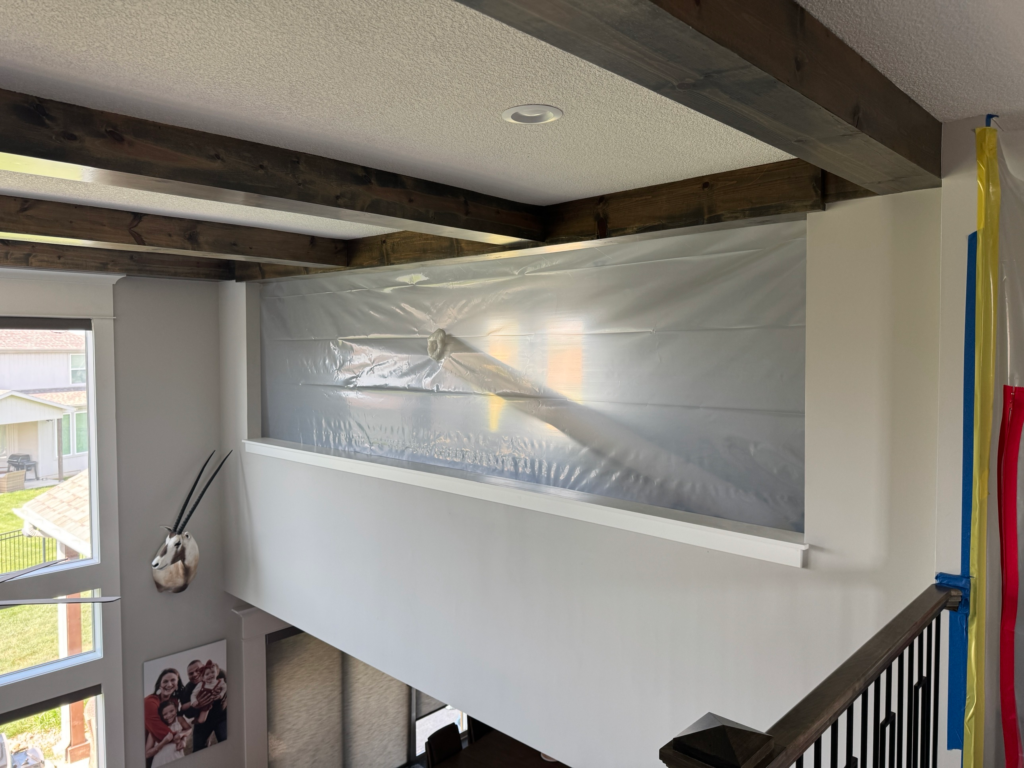
Not every water issue needs a restoration company. A contractor alone may be enough when:
- The damage is old and fully dry, and a professional moisture reading confirms it
- The water was a small, clean spill that was wiped up immediately and never soaked into materials
- You are repairing cosmetic damage only, like a faded ceiling stain from a roof leak fixed months ago
- A restoration company already dried and documented the area, and you are ready for rebuild
When in doubt, get a moisture inspection first. It costs far less than tearing out a freshly finished wall six months later.
What Happens If You Skip Water Restoration?
Skipping professional drying to save time or money usually costs more in the end. Here is what we see most often:
- Mold growth. Mold can begin to grow on wet materials within 24 to 48 hours. Sealing wet framing behind new drywall gives it a perfect place to spread. (Learn more about mold removal in Kansas City.)
- Hidden structural damage. Subfloors, sill plates, and framing can stay wet long after surfaces feel dry, leading to rot and warping.
- Paying twice. New drywall, paint, and flooring installed over wet materials often have to be torn out again.
- Health concerns. Lingering moisture and mold can affect indoor air quality, especially for children, older adults, and people with allergies or asthma.
- Insurance problems. Most homeowners policies require you to take reasonable steps to prevent further damage. Without moisture logs and drying records, adjusters may question or reduce your claim.
How Insurance Views Mitigation vs. Repairs
Insurance carriers usually treat a water loss in two parts. Mitigation covers the emergency work: extraction, drying, and tear-out. Reconstruction covers the rebuild. Both are typically documented in Xactimate, the estimating software most carriers use.
A restoration company that understands both phases can document the full scope from day one. That reduces supplements, delays, and back-and-forth with your adjuster. Always review your specific policy, since coverage varies.
The Better Option: One Company for Restoration and Rebuild
The real answer to “restoration or contractor?” is often both, from the same team. That is exactly how Restor KC works.
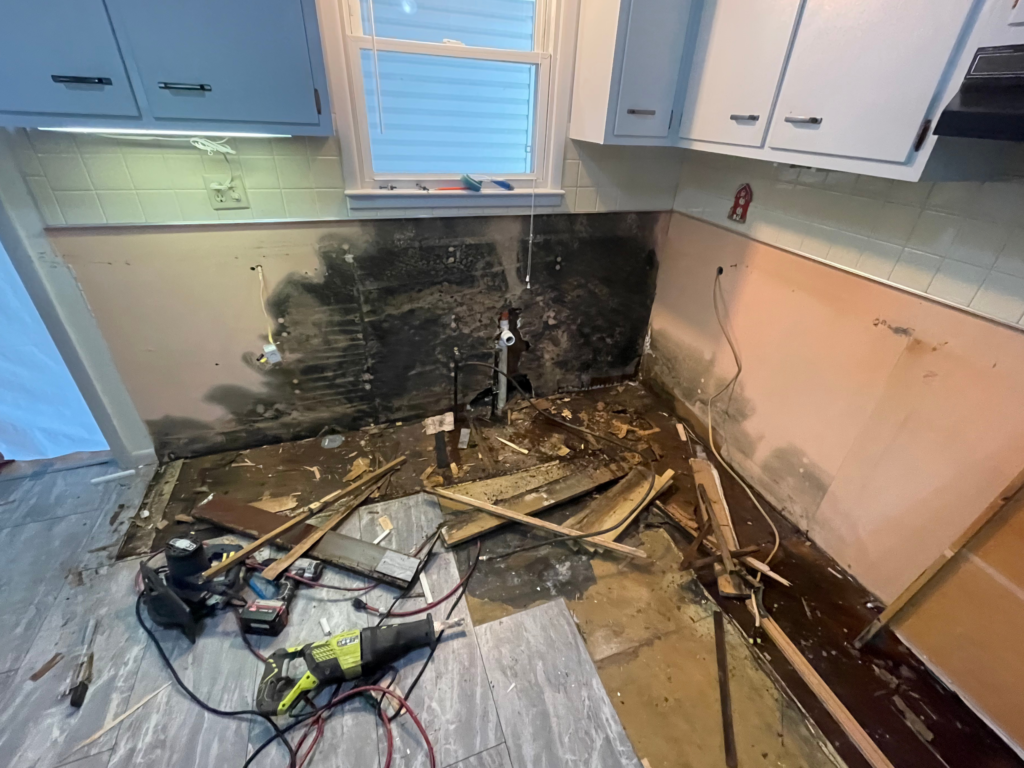
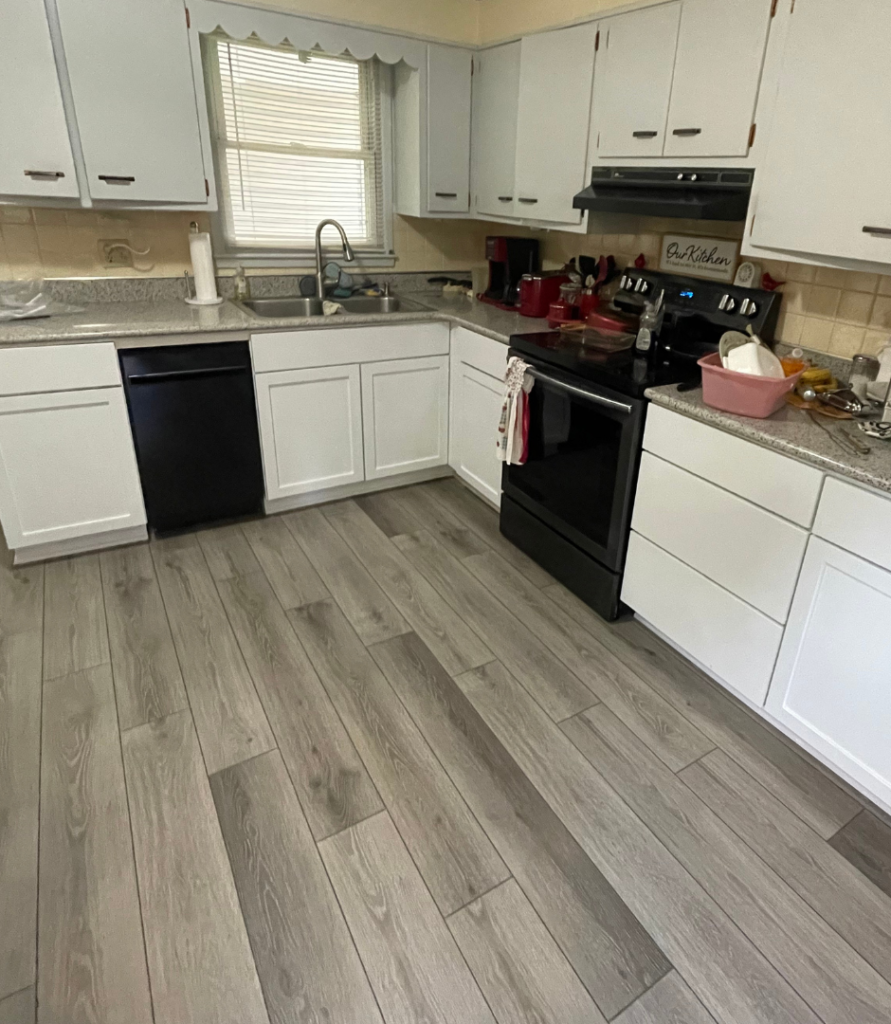
Many restoration companies only handle mitigation. When the drying is done, homeowners are left to find a separate contractor, get new bids, and coordinate a second crew with their insurance company. Restor KC handles the entire project from first call to final walkthrough:
- Emergency water mitigation, available 24/7 across the Kansas City metro
- IICRC-certified technicians who follow industry drying standards
- Insurance estimating in Xactimate, with clear documentation for your adjuster
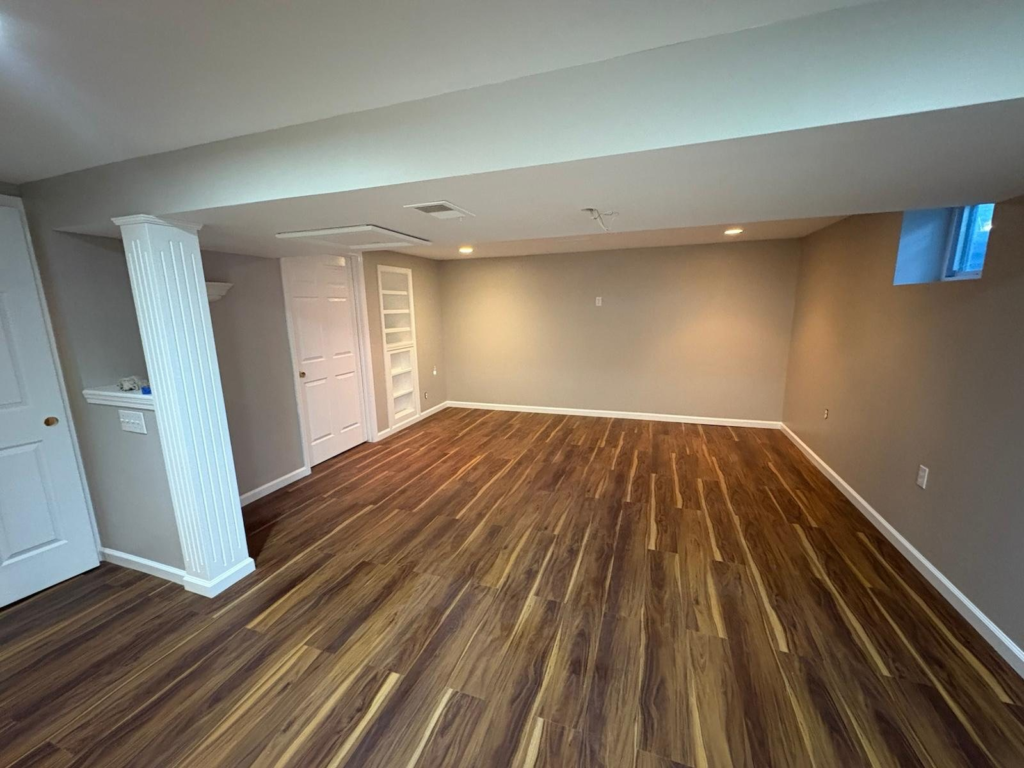
- Full reconstruction, including drywall, flooring, painting, carpentry, kitchens, and bathrooms
- One point of contact, so nothing falls through the cracks between phases
- A free leak detection system with qualifying water damage jobs
We put homeowners first. That means doing the work correctly the first time, being transparent about what we find, and walking you through one of the most stressful events a family can face.
Frequently Asked Questions
What is the difference between water mitigation and water restoration?
Water mitigation is the emergency work that stops damage from spreading: extraction, drying, and removing wet materials. Water restoration is often used to describe the full process, including mitigation and rebuilding the damaged areas.
Can a regular contractor dry out water damage?
Most general contractors do not own commercial drying equipment or moisture-monitoring tools. Fans from a hardware store rarely dry wall cavities, subfloors, or framing to a safe level.
How long does it take to dry a house after water damage?
Most structural drying takes three to five days, depending on how much water was involved, the materials affected, and how quickly drying started. Daily moisture readings confirm when the structure is dry.
Will insurance pay for water restoration?
Many homeowners policies cover sudden and accidental water damage, such as a burst pipe or appliance failure. Gradual leaks and flooding may be treated differently. Check your policy or ask your agent.
Can I choose my own restoration company, or do I have to use my insurer’s?
In most cases, you have the right to choose your own restoration contractor. Your insurance company may recommend vendors, but the choice is typically yours.
How soon should I call after water damage?
As soon as possible. The first 24 to 48 hours are critical for preventing mold and limiting how much material has to be removed.
Not Sure What You Need? Call Restor KC
You do not have to figure this out alone. Our team will inspect the damage, measure moisture levels, and tell you honestly whether you need water restoration, a rebuild, or both.
Restor KC serves homeowners and businesses throughout the Kansas City metro, 24 hours a day, 7 days a week.
Call 913-379-4445 or contact us online to schedule an inspection.
Restor KC: restoring homes, and peace of mind, the right way the first time.