
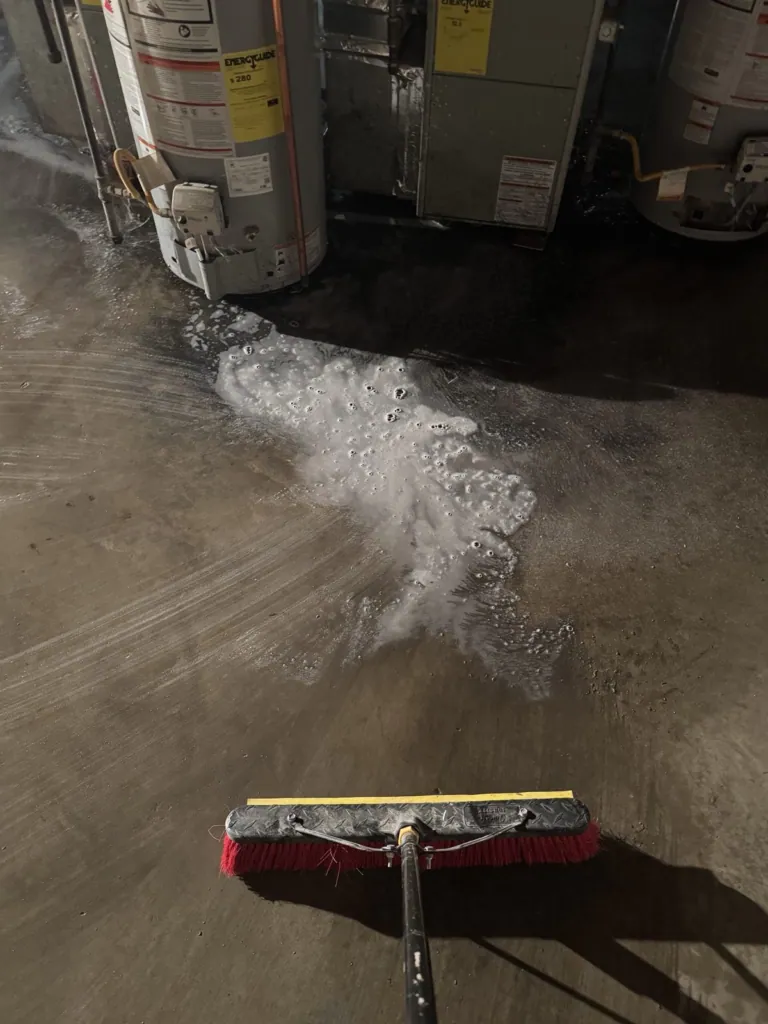
In many cases, yes. Most standard homeowners policies cover water damage that is sudden and accidental, such as a burst pipe, a failed water heater, or a washing machine hose that breaks. They usually do not cover damage from flooding, slow leaks that went on for weeks, or sewer backups unless you added that coverage.
The details of your policy and how you handle the first few days of the loss decide most of the outcome. Fast action, good documentation, and an accurate estimate are what turn a stressful claim into a fair one.
At Restor KC, we work water damage claims every week across the Kansas City metro. This guide explains what is typically covered, what is not, and the steps that protect your claim from day one.
Every policy is different. This article is general information, not legal or insurance advice. Always review your own policy and talk with your agent.
What Is Usually Covered vs. Not Covered
| Cause of Water Damage | Typically Covered? | Notes |
|---|---|---|
| Burst or frozen pipe | Usually yes | Coverage for freezing may require that you kept the home heated |
| Water heater or appliance failure | Usually yes | The damaged appliance itself may not be covered, but the water damage often is |
| Washing machine, dishwasher, or ice maker line break | Usually yes | Sudden failures are the most common covered claims |
| Toilet or tub overflow | Usually yes | Contaminated water requires professional cleanup |
| Roof leak from storm damage | Often yes | The roof damage must come from a covered event like wind or hail |
| Slow, long-term leak | Usually no | Considered wear and tear or lack of maintenance |
| Flooding or rising surface water | No | Requires separate flood insurance (NFIP or private) |
| Sewer or drain backup | Usually no | Covered only with a water backup endorsement |
| Sump pump failure | Usually no | Typically covered by the same water backup endorsement |
| Mold from a covered loss | Sometimes | Many policies cap mold coverage; some exclude it entirely |
| Groundwater seeping through foundation | Usually no | Treated as seepage, not a sudden event |
The rule of thumb insurers use: sudden and accidental is usually covered; gradual, preventable, or flood-related usually is not.
The Fine Print: 4 Coverage Gaps Kansas City Homeowners Should Know
1. Sudden vs. gradual damage
Insurers look closely at how long the water was leaking. A pipe that bursts on Tuesday is a sudden loss. A drip under the sink that rotted the cabinet floor over six months is usually considered maintenance. Signs like dark staining, rot, and established mold can point an adjuster toward “long-term.”
2. Flood is a separate policy
Standard homeowners policies do not cover rising water from heavy rain, overflowing creeks, or surface runoff. Both the Kansas and Missouri insurance departments point homeowners to separate flood insurance, available through the National Flood Insurance Program (NFIP) or private carriers. NFIP policies generally have a 30-day waiting period, so buy before storm season, not during it.
3. Sewer backup and sump pump failure need an endorsement
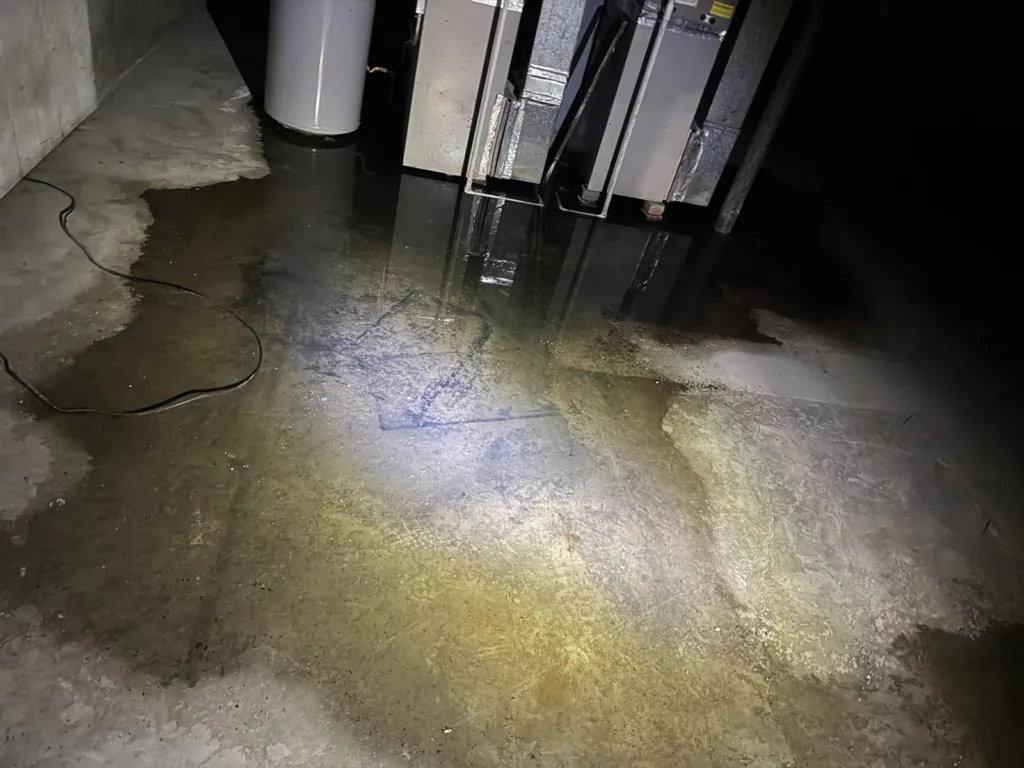
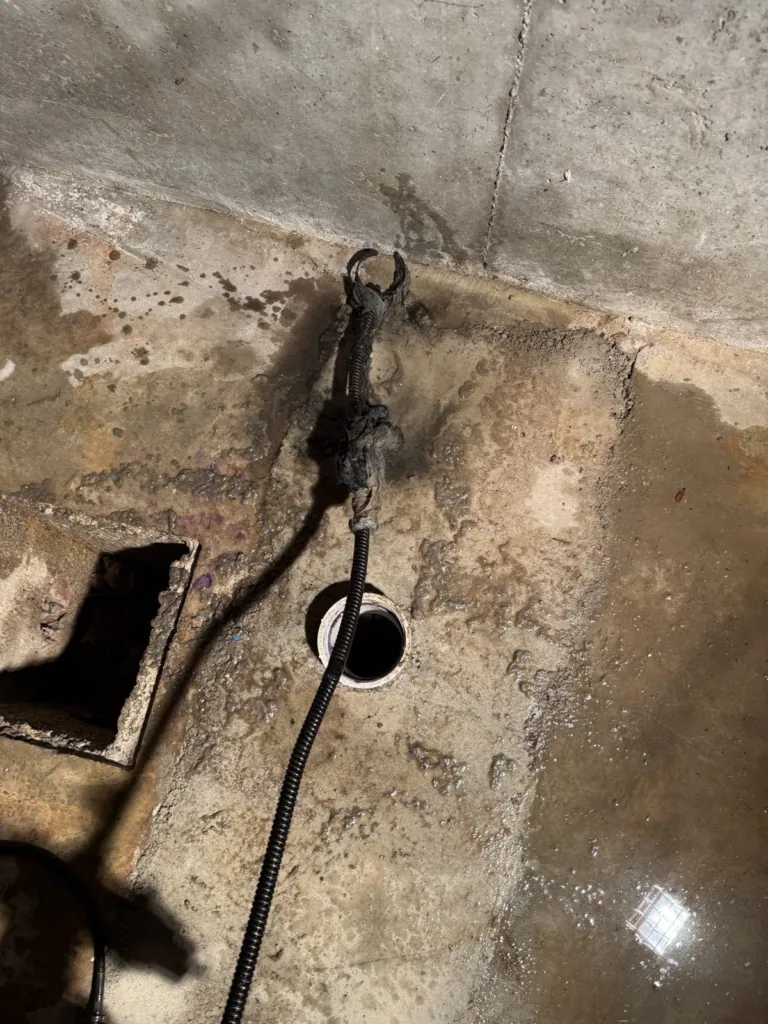
This is one of the most common surprises we see in Kansas City basements. Water that backs up through floor drains or overflows from a failed sump pump is usually excluded unless you added a water backup endorsement. It is often inexpensive, commonly around $30 to $70 per year for a $5,000 limit, with higher limits available. Ask your agent whether you have it and how high the limit is. If a backup has already happened, our sewage cleanup team can help.
4. Mold limits
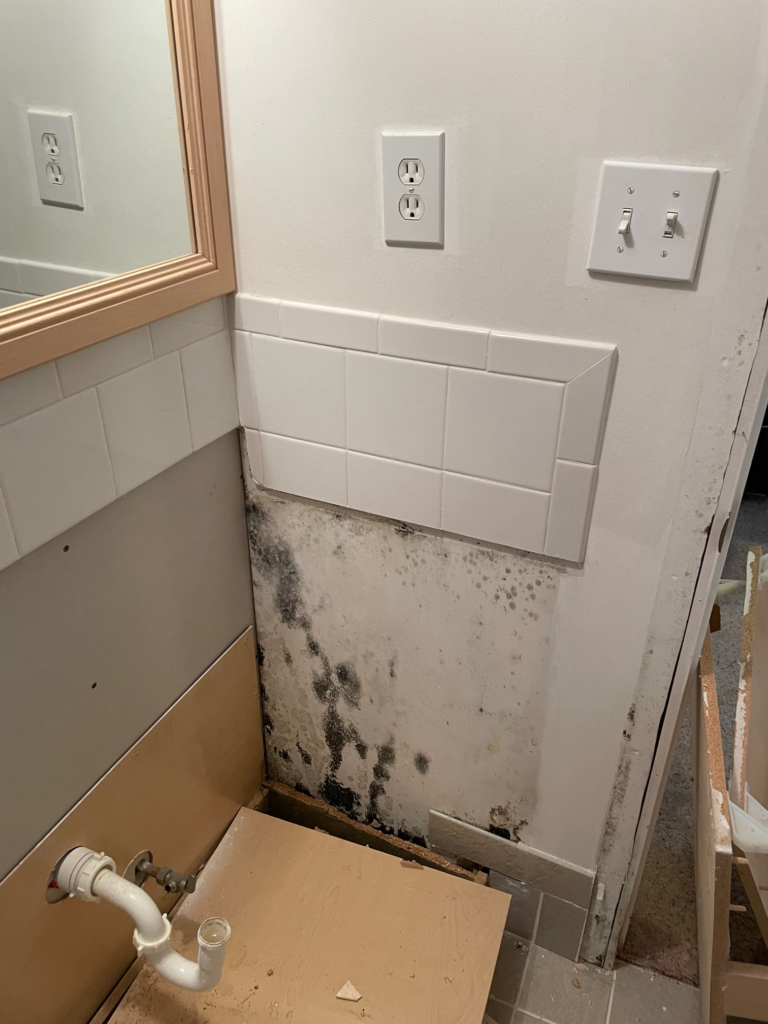
Many policies cover mold only when it results from a covered water loss, and often cap that coverage at a set dollar amount. Mold that develops because water was left too long may be denied. That is one more reason to start drying within the first 24 to 48 hours. Learn more about mold removal in Kansas City.
7 Steps to Protect Your Water Damage Claim
- Stop the water and stay safe. Shut off the main water valve. If water is near outlets or the electrical panel, turn off power to that area or wait for a professional.
- Prevent further damage right away. Your policy expects you to take reasonable steps to limit the loss. Damage that gets worse because nothing was done may not be covered. Emergency water extraction and drying count as these reasonable steps.
- Document everything before cleanup. Take wide photos and close-ups of every affected room, the source of the leak, and damaged belongings. Video walk-throughs help too.
- Call your insurance company or agent. Report the claim promptly and write down your claim number, adjuster name, and contact information.
- Save damaged items and keep receipts. Do not throw away damaged materials until the adjuster has seen them or approved disposal. Keep receipts for emergency supplies, hotel stays, and meals if you are displaced.
- Hold off on permanent repairs. The Missouri Department of Insurance advises against permanent repairs until your insurer has inspected the damage. Emergency mitigation is different and should start right away.
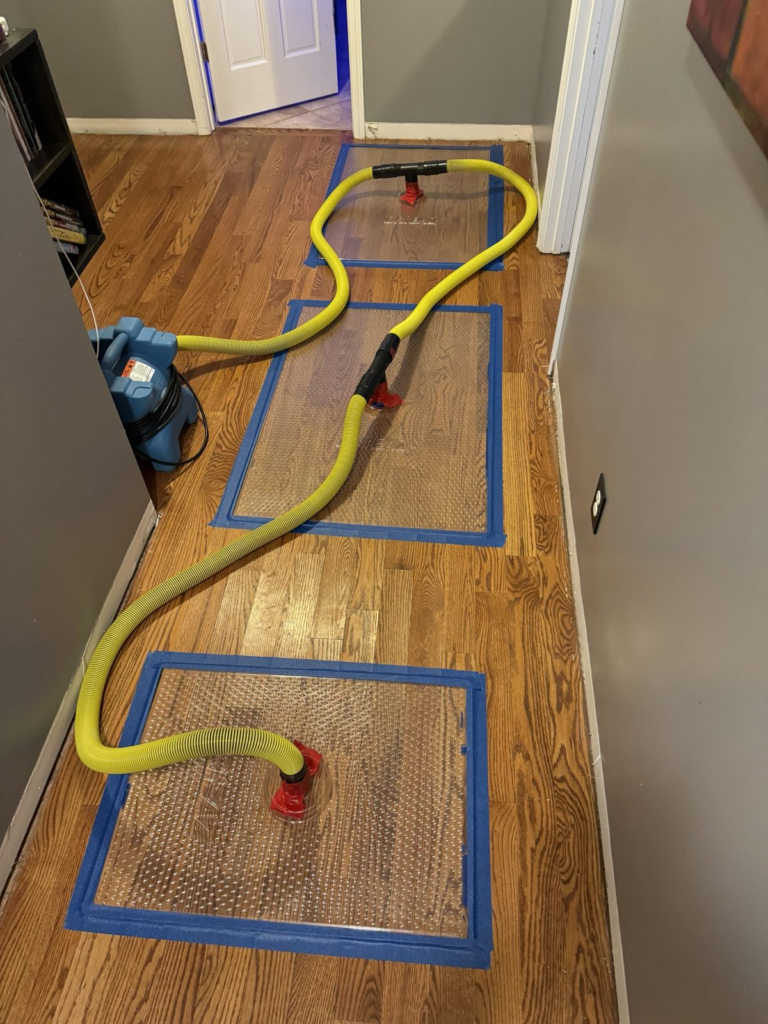
- Work with a restoration company that documents to insurance standards. Daily moisture readings, photo logs, and an Xactimate estimate give your adjuster the evidence they need to approve the scope.
Not sure whether you need a restoration company or a contractor? Read Do I Need Water Restoration or Just a Contractor?
Why Water Damage Claims Get Denied or Reduced
These are the issues we see most often when homeowners call us after a claim has gone sideways:
- Waiting too long to act. Delays let water spread and mold grow, and adjusters may treat the added damage as preventable.
- No proof of the cause. If the source of the water is not documented, the insurer cannot confirm it was a covered event.
- Missing moisture records. Without daily readings, there is no proof the structure was dried properly or that removed materials were truly wet.
- Incomplete estimates. Handwritten or lump-sum bids often miss line items, leading to underpaid claims and out-of-pocket costs.
- Excluded causes. Flood, seepage, and backups without an endorsement are common denials.
- Throwing out evidence. Discarding damaged materials before the adjuster sees them makes items harder to prove.
How Restor KC Helps With Your Insurance Claim
We are on your side from the first call. Our job is to restore your home correctly and give your insurance company clear, honest documentation so the claim reflects the true scope of the damage.
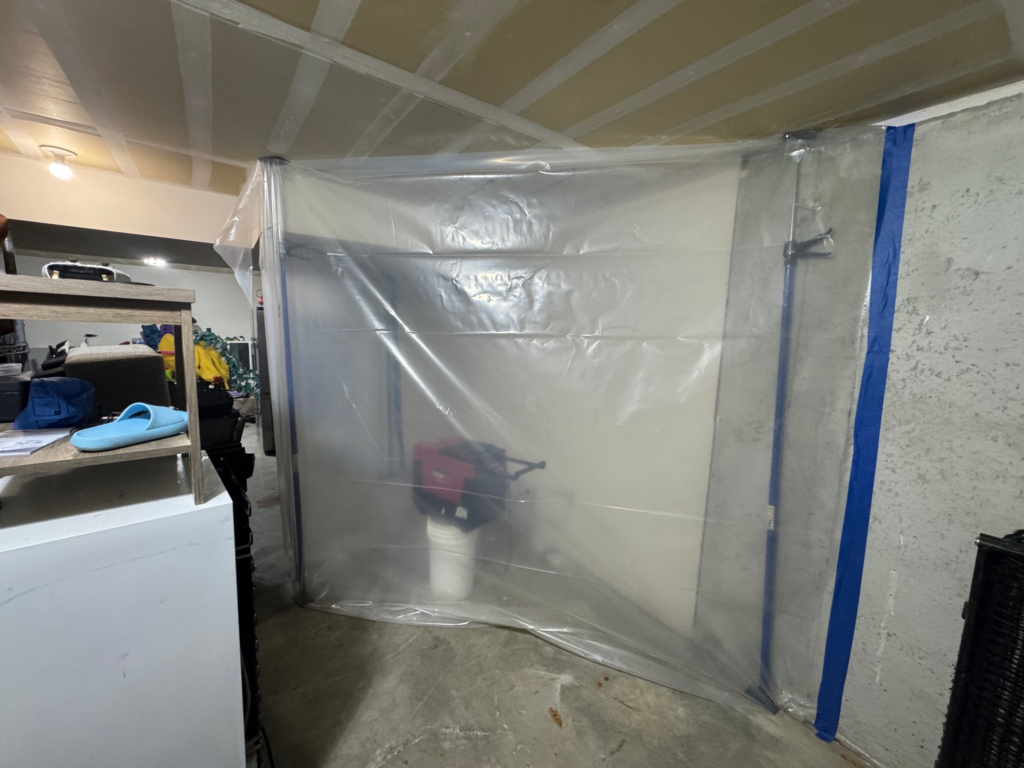
- 24/7 emergency response to stop the damage and meet your duty to mitigate
- IICRC-certified technicians who follow industry drying standards
- Moisture mapping and daily drying logs that prove what was wet and when it was dry
- Detailed photo documentation of the source, the damage, and every phase of the work
- Xactimate estimates, the same software most insurance carriers use, so line items match what adjusters expect
- Adjuster coordination, including walk-throughs and supplements when hidden damage is found
- Full reconstruction after drying, so one company handles the claim from start to finish
- A free leak detection system with qualifying water damage jobs to help prevent the next loss
You have the right to choose your own restoration company. Your insurer may suggest a preferred vendor, but the choice is typically yours. We work for you, the homeowner. See our full water damage restoration services.
Frequently Asked Questions
Does homeowners insurance cover a burst pipe?
Usually, yes. A burst pipe is a classic sudden and accidental loss. Coverage for frozen pipes may depend on whether the home was heated or properly maintained.
Is water damage in my basement covered?
It depends on the cause. A broken supply line or water heater is often covered. Groundwater seepage, flooding, and sewer or sump pump backups usually are not unless you have flood insurance or a water backup endorsement.
Do I have to pay for water mitigation before insurance pays?
Policies and companies differ. Many restoration companies, including Restor KC, work directly with your insurance company. You are typically responsible for your deductible. Ask about billing before work begins.
Will filing a water damage claim raise my premium?
It can. Insurers weigh claim history differently. Talk with your agent about the size of the loss compared with your deductible before deciding.
How long do I have to file a water damage claim?
Most policies require prompt notice. Report the loss as soon as possible and check your policy for specific deadlines.
What if my claim is denied or underpaid?
Ask the insurer for the reason in writing and review your policy language. You can request a re-inspection or submit additional documentation. Missouri residents can contact the Missouri Department of Insurance at 800-726-7390, and Kansas residents can contact the Kansas Insurance Department at 800-432-2484.
Water Damage? Call Restor KC Before It Gets Worse
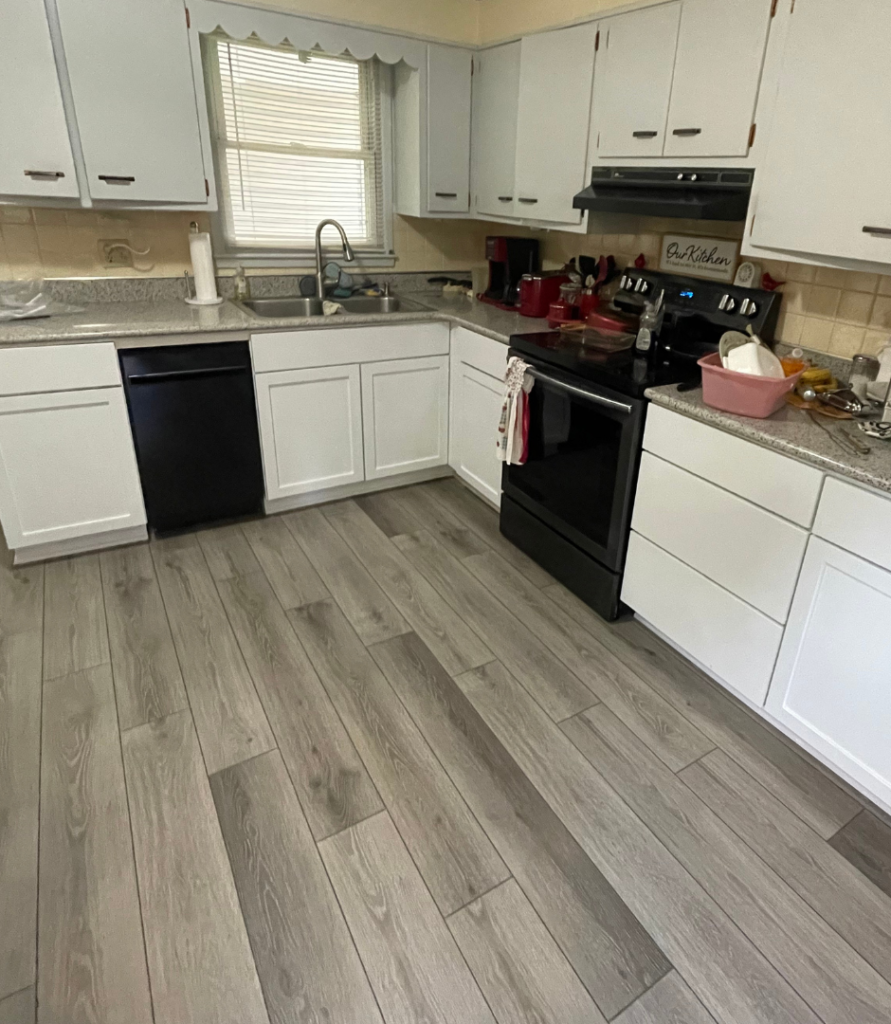
The first 24 to 48 hours shape both your home’s recovery and your insurance claim. Our team responds 24/7 across the Kansas City metro to stop the damage, document the loss, and work with your adjuster.
Call 913-379-4445 or contact us online to schedule an inspection.
Restor KC: putting homeowners first, from the first call to the final walkthrough.