March 12, 2026
Is it Just Mildew? When to Call for Professional Mold Remediation in Kansas City’s Humid Climate
If you have ever noticed a musty smell creeping through your home or spotted a dark patch spreading across your bathroom ceiling, you may have wondered whether you are dealing with simple mildew or something far more serious. Kansas City homeowners face a unique challenge: the region's humid summers and unpredictable weather create ideal conditions for mold growth. Knowing when to grab a sponge and when to call for professional mold remediation in KCK can protect both your health and your property.
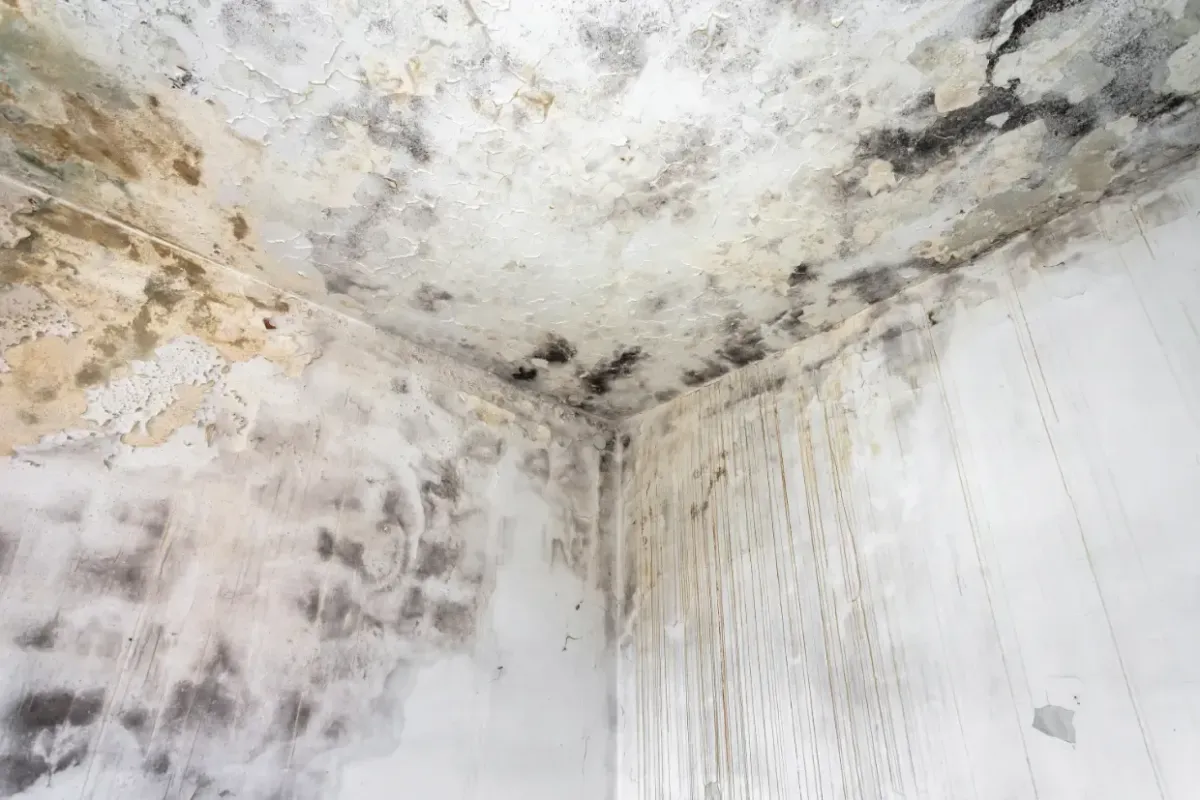
The Difference Between Mildew and Mold
Mildew and mold are both fungi, but they behave very differently inside your home. Mildew typically appears as a flat, powdery growth that stays on the surface of materials like grout, tile, or fabric. It tends to be white or gray and is relatively easy to address with standard household cleaners and a bit of scrubbing. Most homeowners in Kansas City, KS can handle minor mildew patches without outside help.
Mold, on the other hand, penetrates deep into porous materials like drywall, insulation, wood framing, and carpet padding. It reproduces through airborne spores that can spread rapidly throughout a structure. Mold comes in many varieties, and some, including the infamous Stachybotrys chartarum (commonly called black mold), can pose significant health risks with prolonged exposure. If the patch you are looking at keeps growing back after you clean it, feels slimy or fuzzy rather than powdery, or appears in multiple locations throughout your home, you are likely dealing with mold rather than mildew.
Why Kansas City's Climate Makes Mold a Year-Round Threat
Kansas City sits in a climate zone that experiences hot, humid summers and cold, wet winters. Humidity levels throughout the metro area, including North Kansas City and across the Missouri state line, frequently spike during spring and summer months. This persistent moisture creates a breeding ground for mold colonies, particularly in areas with poor ventilation.
Basements are especially vulnerable in older Kansas City homes where waterproofing may have degraded over time. Crawl spaces beneath homes in KC neighborhoods collect condensation and groundwater. Attics suffer when ventilation is inadequate, allowing warm, moist air to accumulate against the roof decking. Even living spaces can harbor hidden mold behind walls where a slow plumbing leak has gone undetected for months.
Safe mold remediation in Missouri requires an understanding of these regional conditions. A professional who knows the Kansas City area understands that addressing the moisture source is just as critical as removing existing mold colonies. Without fixing the underlying humidity or water intrusion problem, mold will return no matter how thoroughly you clean.
Warning Signs That Demand Professional Mold Testing and Removal in KC
There are clear signals that tell you a DIY approach is no longer sufficient. Mold testing and removal in KC should be handled by a licensed professional when any of the following situations apply.
First, if you smell mold but cannot find it, you likely have hidden mold growth inside walls, under flooring, or above ceiling tiles. Mold can remain invisible for months while the colony expands. A professional remediation company uses moisture meters, thermal imaging cameras, and air quality sampling to locate mold that visual inspection simply cannot find.
Second, if the affected area covers more than ten square feet, the Environmental Protection Agency recommends bringing in a professional. Large infestations require containment barriers, negative air pressure systems, and commercial-grade HEPA filtration equipment to prevent spores from spreading to unaffected areas of your home during the cleanup process.
Third, if anyone in your household is experiencing persistent respiratory issues, recurring headaches, unexplained fatigue, or allergy symptoms that do not improve when they leave the house, mold exposure may be the cause. Children, elderly adults, and individuals with asthma or compromised immune systems are particularly vulnerable. Black mold cleanup in North Kansas City and surrounding areas should always be performed by certified professionals when health symptoms are present.
Fourth, if the mold is located near your HVAC system, ductwork, or air handling equipment, you face an elevated risk of spore distribution throughout your entire home. This scenario demands immediate professional intervention.
What to Expect from Professional Mold Remediation in KCK
When you call a certified mold remediation company serving Kansas City, KS, the process typically begins with a comprehensive inspection and assessment. Technicians will identify all areas of moisture intrusion, document the extent of the mold growth, and collect air or surface samples if mold testing is warranted. You will receive a clear remediation plan outlining the scope of work and the methods to be used.
The remediation itself involves several coordinated steps. Workers set up physical containment around the affected area using heavy plastic sheeting to isolate it from the rest of your home. Negative air pressure machines exhaust contaminated air to the outside while HEPA filters capture airborne spores within the work zone. All porous materials that cannot be effectively cleaned, such as moldy drywall, insulation, and contaminated carpet, are removed and disposed of according to local regulations.
After removal, remediation technicians treat remaining structural surfaces with EPA-registered antimicrobial agents. Once the work is complete, a final air quality test confirms that spore counts have returned to safe levels before containment is removed. Reputable companies performing mold removal in Kansas City, KS will provide clearance documentation so you have a written record that your home meets safe standards.
How to Prevent Mold from Returning After Remediation
Getting rid of existing mold is only half the battle. Long-term prevention is essential in a climate as humid as Kansas City's. After safe mold remediation in Missouri is complete, maintaining indoor humidity levels below 50 percent is one of the most effective strategies available to homeowners. Dehumidifiers in basements and crawl spaces work continuously to pull excess moisture out of the air during the region's muggy summers.
Improving ventilation throughout your home reduces the stagnant, humid conditions that mold thrives in. Bathroom and kitchen exhaust fans should vent directly outside, not into attic spaces. If your attic has insufficient ventilation, a contractor can add ridge vents or soffit vents to promote airflow and reduce condensation against the roof sheathing.
Regular inspections of plumbing under sinks, around water heaters, and behind appliances like washing machines can catch slow leaks before they cause significant damage. After any flooding event or major water intrusion, calling a professional immediately rather than waiting to see if things dry out on their own can prevent a remediation project from becoming a full-scale reconstruction job.
Conclusion
Kansas City homeowners should never underestimate the speed at which a small moisture problem can evolve into a serious mold situation. The region's climate is simply too humid, and the consequences of prolonged mold exposure are too significant to take a wait-and-see approach. When the signs point beyond simple surface mildew, reaching out to a certified professional for mold removal in Kansas City, KS is the smartest and safest decision you can make. Professional mold remediation in KCK protects your family's health, preserves your home's structural integrity, and gives you documented proof that your living space is safe. Do not let moisture problems linger. Act quickly, call the right experts, and give your home the thorough, lasting protection it deserves.
What Our Restor KC Clients Say
Real experiences from homeowners who trusted Restor KC for restoration and flood recovery.
Your Dream Kitchen Starts Here
Ready to start planning your remodel? Schedule your free consultation
and take the first step toward the kitchen you’ve always wanted.