March 12, 2026
The First 24 Hours: A North Kansas City Homeowner’s Emergency Guide to Basement Flooding
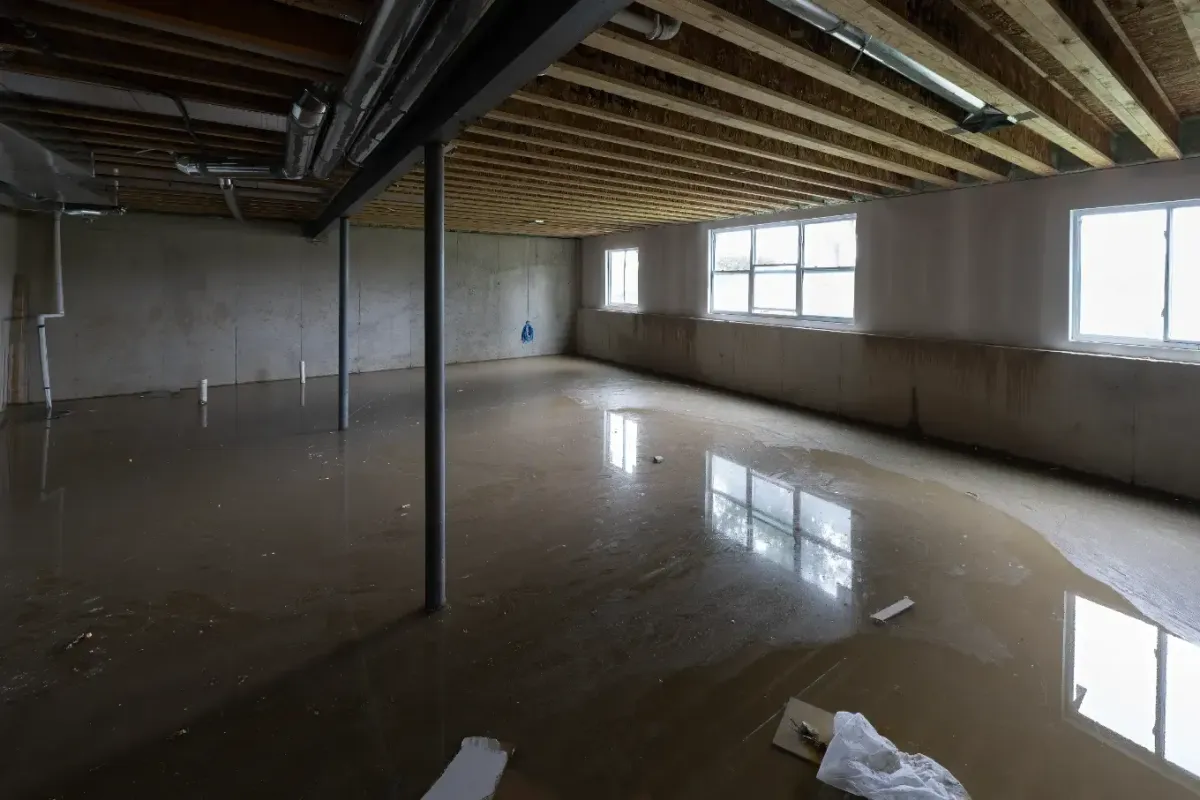
Few things shake a homeowner's confidence like walking downstairs to find standing water creeping across the basement floor. Whether it arrives from a burst pipe, a torrential storm, or a sewage backup, a flooded basement demands immediate, focused action. For residents across North Kansas City and the surrounding metro, the clock starts ticking the moment water enters your home. What you do in the first 24 hours will determine how much damage you prevent, how much you save on repairs, and how quickly your family gets back to normal life.
This guide walks you through every critical step of that first day, so you can respond with confidence instead of panic.
Step 1: Prioritize Safety Before You Touch Anything
Before you grab a mop or reach for your phone, stop and assess the situation from a safe distance. Water and electricity are a deadly combination, and basements are full of electrical outlets, appliances, sump pumps, and HVAC equipment. If there is any chance that floodwater has reached electrical panels or outlets, do not enter the space until a qualified electrician or your utility provider confirms it is safe.
Turn off the main power supply to the basement at your breaker box if you can do so without entering the flooded area. If the breaker box is located in the basement itself, call your utility company immediately and wait for their guidance.
Next, identify the source of the water if possible. A broken supply line, an overflowing washing machine, or storm water pouring through a window well each requires a different response. If you suspect a sewage backup cleanup situation, which is common in North Kansas City neighborhoods with aging sewer infrastructure, take extra precautions. Sewage water is classified as Category 3 contaminated water, and direct contact poses serious health risks. Wear rubber boots, waterproof gloves, and an N95 mask before entering the area under any circumstances.
Step 2: Stop the Water Source and Document Everything
Once you have confirmed the space is electrically safe, your next priority is stopping additional water from entering. Shut off the main water supply if a plumbing failure is the cause. If the flooding stems from storm runoff or groundwater intrusion, do your best to redirect water away from any basement windows or exterior entry points using sandbags or rolled towels as temporary barriers.
As soon as the immediate threat is under control, grab your phone and start documenting. Take photos and videos of every affected area before moving or removing anything. Capture the waterline on walls, the condition of flooring, damaged furniture, and any visible structural concerns. This documentation is essential when you file a homeowners insurance claim, and it supports the water damage restoration process that a professional team will begin when they arrive.
Contact your insurance provider as quickly as possible. Many policies in Kansas City, KS require prompt notification, and delaying that call could complicate your claim. Ask your agent specifically whether your policy covers the source of flooding, because standard homeowners policies typically exclude groundwater flooding while covering sudden plumbing failures.
Step 3: Begin Water Removal With the Right Equipment
Standing water left in a basement for more than 24 to 48 hours creates conditions where mold begins to colonize porous surfaces. This is why 24/7 emergency water extraction, KCK residents rely on is not a luxury; it is a necessity that protects the long-term health of your home and family.
If the water level is low and you have confirmed safety, you can begin removing water using a wet/dry vacuum while you wait for professionals to arrive. A standard shop vac can handle small volumes, but for anything more than an inch or two of standing water, professional-grade water damage equipment is the only practical solution.
Professional restoration companies bring truck-mounted extraction units capable of pulling thousands of gallons from a basement in hours. They also deploy industrial air movers and commercial-grade dehumidifiers, which are a category of water damage equipment KC homeowners rarely have access to on their own. These machines work together to reduce ambient moisture and begin drying structural components like floor joists, subfloor panels, and drywall before secondary damage takes hold.
Do not make the mistake of assuming that removing visible water means the job is done. Moisture migrates into wall cavities, insulation, and concrete blocks long before you can see or feel it. Without professional moisture meters and thermal imaging cameras, hidden saturation goes undetected until mold appears weeks later.
Step 4: Address Contamination Risks From Sewage and Groundwater
Not all basement flooding involves clean water. In older parts of North Kansas City, combined sewer systems can surcharge during heavy rain events, pushing sewage backward through floor drains and toilets into basements. If your flooded basement cleanup involves dark or discolored water, an unusual odor, or visible solids, treat the entire space as a biohazard zone until professionals can assess it.
Sewage backup cleanup in Kansas City requires specialized containment procedures, antimicrobial treatments, and in many cases, the controlled removal of contaminated materials including drywall, carpeting, and insulation that cannot be safely disinfected. Attempting to handle this type of cleanup without proper training and equipment puts your household at risk of exposure to harmful pathogens including E. coli, hepatitis A, and other serious contaminants.
Professional restoration teams certified in biohazard remediation follow strict protocols established by the Institute of Inspection, Cleaning and Restoration Certification (IICRC). They will classify the water type, contain affected zones, remove unsalvageable materials, and apply EPA-registered antimicrobial agents to all surfaces before the drying process begins.
Even if your flooding involved relatively clean stormwater, groundwater carries bacteria, pesticides, and other contaminants picked up as it traveled through soil. Any flooded basement cleanup involving water from outside your plumbing system warrants professional disinfection as part of the restoration process.
Step 5: Protect Salvageable Belongings and Prevent Mold
While professional crews work on extraction and drying, there are productive steps you can take to protect your personal property. Move furniture, boxes, and valuables from wet areas to dry locations on upper floors or outside if weather permits. Wipe down wood furniture legs and elevate items off wet concrete using aluminum foil squares or wood blocks to prevent further absorption.
Remove wet area rugs and hang them outside to dry if they have not been saturated with contaminated water. Carpet and carpet padding that have been submerged in floodwater for more than a few hours typically cannot be saved and will need professional evaluation before any decision is made.
Open windows and interior doors to improve airflow wherever possible, and run any portable dehumidifiers you have on hand. These steps support the work of the water damage restoration team and help reduce total drying time, which directly lowers the cost and duration of the full restoration project.
Conclusion
A basement flood in North Kansas City is a serious event, but a fast and informed response makes an enormous difference in the outcome. The first 24 hours are your most important window for minimizing damage, protecting your family's health, and preserving the value of your home. By prioritizing safety, stopping the source, documenting thoroughly, calling for 24/7 emergency water extraction, and partnering with a certified water damage restoration team, you give your home the best possible chance at a full recovery. Do not wait and hope the problem resolves on its own. Water damage compounds quickly, and the sooner experienced professionals arrive with the right water damage equipment, the sooner your Kansas City home gets back to normal.
What Our Restor KC Clients Say
Real experiences from homeowners who trusted Restor KC for restoration and flood recovery.
Your Dream Kitchen Starts Here
Ready to start planning your remodel? Schedule your free consultation
and take the first step toward the kitchen you’ve always wanted.