Professional Mold Remediation in Kansas City: Complete Detection, Removal, and Prevention Guide
The Hidden Danger of Mold in Kansas City Homes
Mold is one of the most hidden yet serious threats to Kansas City homes and the health of their residents. Unlike water or fire damage that makes its presence obvious, mold often spreads quietly—thriving behind walls, beneath floors, and in crawl spaces. By the time it’s visible, it may have already caused significant damage. That’s why professional mold remediation in Kansas City is essential to identify, contain, and eliminate mold before it compromises your home’s safety and air quality.
Kansas City’s climate creates ideal conditions for mold growth. The region’s humid summers, temperature fluctuations, and frequent precipitation provide the moisture that mold needs to thrive. According to the Environmental Protection Agency, mold can begin growing within 24-48 hours of water exposure, making rapid response crucial for prevention and control.
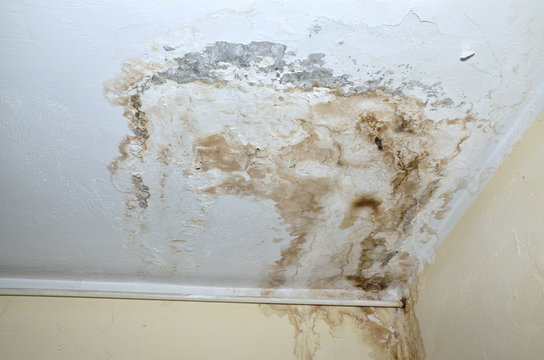
Understanding Mold: What It Is and Why It Matters
Mold is a type of fungus that reproduces through microscopic spores floating in the air both indoors and outdoors. These spores are everywhere completely eliminating them is impossible. However, when spores land on moist surfaces with organic material to feed on, they begin growing into visible colonies that damage materials and potentially affect health.
Different mold species present different levels of concern. Common household molds include Cladosporium, Penicillium, and Aspergillus. While most molds primarily cause allergic reactions and respiratory irritation, some species like Stachybotrys chartarum (black mold) produce mycotoxins that can cause more serious health effects.
Mold needs four things to grow: moisture, oxygen, temperatures between 40-100°F, and organic material for food. Since three of these four factors exist everywhere, controlling moisture becomes the critical factor in preventing mold growth. This is why water damage, high humidity, condensation, and leaks all create mold problems if not addressed quickly.
The health impacts of mold exposure vary depending on individual sensitivity, exposure duration, and mold type. Common symptoms include nasal stuffiness, throat irritation, coughing, wheezing, eye irritation, and skin reactions. People with asthma, allergies, or compromised immune systems face higher risks and more severe reactions to mold exposure.
Identifying Mold in Your Kansas City Home
Early detection prevents minor mold problems from becoming major remediation projects. However, mold often hides in places homeowners rarely inspect. Understanding where mold grows and recognizing early warning signs helps you catch problems before they escalate.
Visible mold growth is the most obvious indicator, appearing as discolored patches in various colors including black, green, white, or orange. However, visible mold represents only part of the problem. Extensive hidden growth may exist behind visible colonies, and mold growing behind walls or under flooring may not be visible at all.
Musty odors often indicate hidden mold growth. This distinctive smell comes from microbial volatile organic compounds (MVOCs) that mold produces. If you notice persistent musty odors without an obvious source, hidden mold may be present. Professional mold inspections use moisture meters and thermal imaging to locate hidden growth.
Water stains, discoloration, and peeling paint or wallpaper signal moisture problems that likely harbor mold. Any area that’s experienced water damage even if quickly dried should be inspected for mold growth. Condensation on windows, pipes, or walls also indicates moisture levels that support mold growth.
Health symptoms that improve when you leave home and return when you come back suggest indoor mold problems. If family members experience unexplained respiratory symptoms, headaches, or allergic reactions primarily at home, indoor air quality testing can identify mold and other contaminants.
Common Mold Growth Areas in Kansas City
Homes
Certain areas of Kansas City homes are particularly vulnerable to mold growth due to moisture exposure, poor ventilation, or both. Understanding these high-risk areas helps homeowners monitor for problems and take preventive action.
Bathrooms create ideal mold conditions through shower steam, sink splashing, and toilet condensation. Without adequate ventilation, moisture accumulates on surfaces and in grout, caulking, and ceiling materials. Bathroom exhaust fans must vent outside, not into attics, and should run during showers and for 20-30 minutes afterward.
Basements and crawl spaces in Kansas City homes frequently develop mold problems due to high humidity, poor ventilation, and water intrusion during heavy rains. Moisture seeps through foundations, condensation forms on cold surfaces, and poor air circulation prevents drying. Sump pumps, dehumidifiers, and proper drainage become essential for controlling basement moisture.
Kitchens experience moisture from cooking, dishwashing, and potential plumbing leaks under sinks. Cabinets under sinks are particularly vulnerable because leaks often go unnoticed until significant damage occurs. Regular inspection of plumbing connections prevents small leaks from becoming mold problems.
Attics develop mold when roof leaks, ice dams, or inadequate ventilation create moisture accumulation. In Kansas City winters, warm indoor air rising into cold attics creates condensation that feeds mold growth. Proper insulation, ventilation, and roof maintenance prevent these conditions.
HVAC systems circulate air throughout your home, but they can also circulate mold spores if condensation occurs in ductwork or on cooling coils. Dirty air filters, clogged condensate drains, and poorly maintained systems create conditions for mold growth that then spreads throughout your home.
The Professional Mold Remediation Process
Professional mold remediation follows established protocols developed by organizations like the Institute of Inspection, Cleaning, and Restoration Certification (IICRC). These protocols ensure safe, effective mold removal that protects both workers and occupants.
Containment is a critical step in mold remediation in Kansas City, preventing mold spores from spreading during the removal process. Professionals use physical barriers to seal off work areas, ensuring spores stay contained. Negative air pressure machines help maintain controlled airflow, keeping contaminated air from escaping into clean areas. Meanwhile, air scrubbers equipped with HEPA filters continuously clean and purify the air within the workspace. Proper containment not only protects the rest of the property but also ensures the effectiveness of the entire remediation process. For homeowners dealing with mold issues, hiring experts in mold remediation in Kansas City ensures that every step from containment to cleanup is handled safely and professionally, minimizing health risks and preventing cross-contamination of unaffected spaces.
Personal protective equipment (PPE) protects remediation workers from mold exposure. Depending on the extent of contamination, PPE may include respirators, gloves, goggles, and protective suits. RestoR KC technicians use appropriate PPE for every mold remediation project to ensure worker safety.
Mold-contaminated materials that cannot be adequately cleaned require removal and disposal. Porous materials like drywall, insulation, carpet, and ceiling tiles that are heavily contaminated typically need replacement. These materials are carefully removed, bagged in sealed containers, and disposed of properly to prevent spore spread.
Non-porous and semi-porous materials that can be saved receive thorough cleaning with antimicrobial treatments. HEPA vacuuming removes surface mold and spores. Wire brushing and specialized cleaning products remove mold from wood surfaces. Antimicrobial and antifungal treatments are applied to prevent regrowth.
After removal and cleaning, the affected area undergoes thorough drying and dehumidification. Even after visible mold is gone, moisture must be eliminated to prevent regrowth. Commercial dehumidifiers and air movers ensure complete drying of all materials and surfaces.
Post-remediation verification confirms successful mold removal. This may include visual inspection, moisture readings, and air quality testing to verify that mold levels have returned to normal. This verification protects you and documents successful remediation for insurance purposes.
Addressing the Moisture Source: Prevention is Key
Successful mold remediation must address the underlying moisture source otherwise, mold simply returns. Restore KC doesn’t just remove mold; we identify and correct moisture problems to prevent future growth.
Water leaks from plumbing, roofs, or foundations must be repaired before or during mold remediation. Even small drips create sufficient moisture for mold growth. Professional plumbers or roofing contractors may be needed to address certain moisture sources.
Humidity control is essential in Kansas City’s humid climate. Indoor humidity should remain between 30-50% for optimal comfort and mold prevention. Dehumidifiers in basements, crawl spaces, and other high-humidity areas help maintain appropriate levels. HVAC systems with proper drainage also help control indoor humidity.
Ventilation improvements prevent moisture accumulation in bathrooms, kitchens, and other moisture-generating areas. Exhaust fans should vent directly outside and run long enough to remove moisture-laden air. Opening windows when weather permits provides natural ventilation that helps control indoor humidity.
Proper drainage around your home foundation prevents water infiltration that leads to basement moisture and mold. Gutters and downspouts should direct water away from the foundation. Grading around the home should slope away from the structure. These exterior improvements significantly reduce basement moisture problems.
Health Considerations and Vulnerable Populations
While mold affects everyone differently, certain populations face higher risks from mold exposure. Understanding these vulnerabilities helps prioritize remediation and protective measures during the process.
Children, elderly individuals, and people with compromised immune systems face greater health risks from mold exposure. These populations should avoid contaminated areas entirely during remediation and stay elsewhere if necessary during extensive remediation projects.
People with asthma or respiratory conditions may experience severe reactions to mold exposure. Even during professional remediation with proper containment, these individuals should remain away from affected areas. RestoR KC coordinates with homeowners to ensure vulnerable family members are protected throughout the remediation process.
Allergies to mold vary in severity, with some people experiencing only mild reactions while others face significant symptoms. Even people without diagnosed mold allergies may develop sensitivity with repeated exposure. Professional remediation removes the allergen source and improves indoor air quality for all occupants.
The Cost of Delaying Mold Remediation
Postponing professional mold remediation allows the problem to grow exponentially worse. Mold spreads rapidly once established, colonizing new areas and penetrating deeper into materials. What might be a contained problem today can become whole-house contamination within months.
Material damage from mold increases dramatically over time. Mold literally digests the materials it grows on, causing structural deterioration, aesthetic damage, and material breakdown. Wooden structures can weaken, drywall can crumble, and personal belongings can be destroyed. Early intervention saves materials that delayed remediation would require replacing.
Health risks escalate with prolonged exposure to mold. Long-term exposure causes sensitization, where reactions worsen over time. Chronic exposure also increases risks of respiratory infections and other health complications. Protecting your family’s health requires timely mold remediation.
Property values suffer when mold problems are documented. Most states require mold disclosure during home sales. Buyers and appraisers view mold history negatively, potentially reducing sale prices or preventing sales altogether. Professional remediation with documentation of successful removal mitigates these concerns.
RestoR KC’s Comprehensive Mold Remediation Services
When you discover mold remediation in your Kansas City home, RestoR KC provides complete mold remediation services from inspection through restoration. Our certified technicians follow industry protocols to ensure safe, effective mold removal that protects your home and family.
We begin with thorough inspection using advanced detection equipment to identify all mold growth, including hidden colonies. Our detailed assessment determines remediation scope, develops customized removal plans, and provides transparent cost estimates with no surprise fees.
During remediation, we make sure the rest of your home stays safe by setting up proper containment and air filtration. Our team wears the right protective gear and follows strict safety procedures every step of the way. We carefully remove any contaminated materials, deep clean the areas that can be saved, and apply antimicrobial treatments to stop mold from coming back.
Most importantly, RestoR KC addresses the moisture source causing mold growth. We don’t just treat symptoms—we correct underlying problems to prevent recurrence. Our full rebuild capabilities mean we handle everything from mold removal through complete reconstruction of affected areas.
Taking Action: Protect Your Kansas City Home from Mold
Mold problems don’t improve on their own—they only get worse. If you suspect mold in your Kansas City home, contact RestoR KC immediately for professional inspection and remediation. Early intervention prevents minor problems from becoming major disasters.
For homeowners without current mold issues, prevention is your best defense. Control indoor humidity, address leaks promptly, ensure proper ventilation, and conduct regular inspections of vulnerable areas. These simple steps prevent most mold problems before they start.
Visit RestoR KC to learn more about our comprehensive mold remediation services or to schedule an inspection. Our team is ready to help Kansas City homeowners identify, remove, and prevent mold growth to protect your home and family’s health. Don’t let mold continue growing—contact RestoR KC today for professional mold remediation that makes the problem gone for good.