HOW T0 PROPERLY WINTERIZE A FAUCET OR SPICKET
When the temperature starts to drop and the first frost of the season sets in, it’s a clear signal that it’s time to winterize your outdoor plumbing fixtures. Homeowners who live in colder climates understand the importance of protecting their waterlines from freezing. One commonly overlooked aspect of this seasonal maintenance is outdoor faucets or spigots, which can easily freeze and burst if not properly prepared. In this guide, we’ll walk you through how to winterize a faucet, how to winterize a spicket, and how to protect your waterlines effectively. Taking these steps now can prevent costly repairs and water damage later.
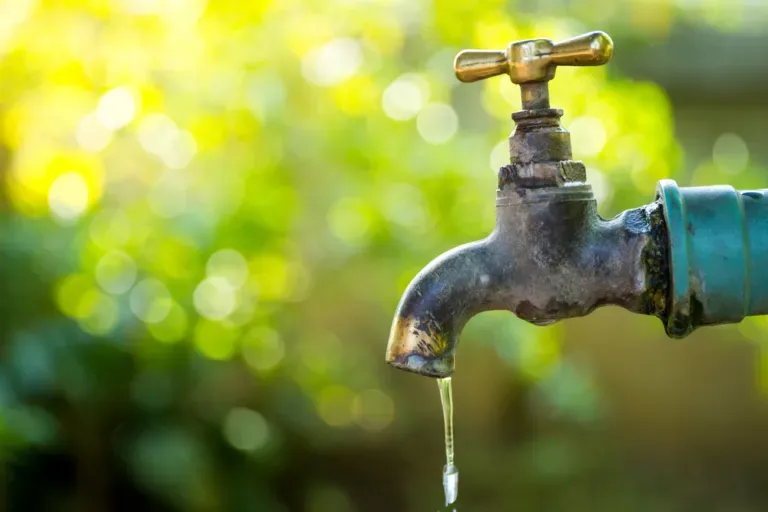
Why Winterizing Outdoor Faucets Matters
Water expands when it freezes, and that simple fact is the root of countless plumbing disasters in winter. If water remains inside an outdoor faucet or spicket and temperatures fall below freezing, that water can freeze, expand, and potentially crack the pipe or fixture. The damage may not be apparent immediately. In fact, many homeowners discover a problem only after the pipe thaws and water begins to leak inside walls or basements.
Learning how to winterize a faucet is essential to protect your home’s plumbing system. It doesn’t matter if the fixture is a traditional faucet or a newer frost-free spicket—both are vulnerable if not correctly winterized. Not only can repairs be expensive, but water damage can also lead to mold, mildew, and structural issues. Proper winterization is a preventative measure that saves time, money, and hassle down the line.
How To Winterize a Faucet: Step-by-Step
The process of winterizing an outdoor faucet is straightforward, but attention to detail is crucial. Start by shutting off the interior valve that supplies water to the outdoor faucet. Most homes have a dedicated shut-off valve located on the waterline inside the basement, crawl space, or utility room. Once you turn off the water supply, go outside and open the faucet to allow any remaining water to drain out completely. This step is critical. Any trapped water can still freeze, causing the fixture or pipe to burst.
After the faucet has fully drained, leave it open throughout the winter. This helps to ensure that any residual moisture can escape rather than becoming trapped inside. For extra protection, consider using an outdoor faucet cover. These insulated covers are inexpensive and easy to install, and they offer an additional layer of defense against freezing temperatures.
In cases where a vacuum breaker or hose bib is attached to the faucet, remove any attached hoses or devices. Leaving a hose connected can trap water in the fixture, increasing the likelihood of freezing and breakage. Store hoses indoors to prevent damage from the cold and prolong their lifespan.
How To Winterize Waterlines Connected to Outdoor Fixtures
While learning how to winterize a faucet is important, it’s equally critical to understand how to winterize waterlines that supply outdoor spickets and faucets. Interior shut-off valves should be your first point of action. If your home does not have one, it’s a good idea to have a plumber install one, especially if you experience freezing temperatures regularly.
After shutting off the valve, open the drain cap on the shut-off to release any water sitting between the valve and the outdoor spicket. Some systems include a small bleeder cap that can be loosened with a screwdriver. Keep a bucket handy to catch any residual water. Once the line has been drained, cap it securely to prevent any air or moisture from re-entering the system.
For homes that use irrigation or sprinkler systems tied to outdoor faucets, the process is more involved. These systems require a complete blowout using compressed air to ensure all water is removed from the lines. Without this step, residual water in underground lines can freeze and crack the pipes, leading to expensive repairs in the spring. If you’re unfamiliar with the process, hiring a professional plumber or irrigation specialist is recommended to handle the blowout safely and effectively.
How To Winterize a Spicket for Maximum Protection
Although many people use the terms “spicket” and “faucet” interchangeably, spickets often refer to outdoor water access points, such as hose bibs or sillcocks. Newer homes may come equipped with frost-free spigots, which are designed to reduce the risk of freezing. However, even these models need to be winterized correctly.
To winterize a spicket, start by turning off the water supply from inside the home. Then, open the spicket fully to drain any water remaining in the line. Just like with traditional faucets, disconnect any attached hoses or splitters. Even a small amount of water trapped inside a hose can back up into the spicket and cause freezing damage.
If your spicket is not frost-free, consider insulating it with a foam faucet cover or wrap it with insulating material and duct tape. These materials are readily available at hardware stores and provide additional thermal protection. If you live in a particularly cold region, investing in a frost-free spicket may be worthwhile, but remember that proper installation with the correct pitch away from the wall is essential for it to function correctly.
Common Mistakes to Avoid When Winterizing Faucets and Spigots
One of the most common mistakes homeowners make is forgetting to remove the garden hose. Even if you’ve turned off the water and opened the faucet to drain, a hose left attached can trap water in the faucet body. This trapped water can freeze and cause internal damage that may not be noticeable until the next season.
Another frequent error is failing to check for leaks before winterizing. A small drip from a faucet might seem harmless, but it can keep the pipe full of water even after you’ve shut off the valve. Always inspect your outdoor fixtures for signs of leakage and address any issues promptly before beginning the winterization process.
Some homeowners assume that frost-free spigots don’t require winterization. While these fixtures are designed to resist freezing, they only work correctly if no hose is attached and the installation was done properly. Always verify that your spicket drains fully when turned off, and use additional insulation if your area experiences extreme cold.
Finally, skipping the drainage of interior waterlines that feed your outdoor faucets can lead to freezing inside your walls. Even a properly shut-off exterior faucet can still freeze if the pipe leading to it retains water. Draining this portion of the waterline is a critical step that should never be overlooked when learning how to winterize waterlines.
Conclusion
Taking the time to properly winterize a faucet or spicket is a smart investment in your home’s long-term health and efficiency. The process is relatively simple but plays a crucial role in preventing frozen pipes, costly repairs, and potential water damage. Whether you’re dealing with a traditional outdoor faucet or a modern frost-free spicket, the steps are largely the same: shut off the water supply, drain all residual water, and insulate the fixture.
Understanding how to winterize waterlines and protect your entire plumbing system ensures your home stays safe and dry throughout the coldest months. Avoiding common mistakes, like leaving hoses connected or ignoring small leaks, can make a significant difference in the effectiveness of your winterization efforts.
With a bit of preparation, you can rest easy knowing that your outdoor faucets and waterlines are ready to withstand whatever winter throws their way. Taking action now means one less thing to worry about when the snow begins to fall.
Need Restoration and Remodeling Services Near You?
When disaster hits, don’t wait—reach out to us at Restor KC today. Our team is ready 24/7 to respond, restore, and rebuild with the care and precision your home deserves. We understand how overwhelming water, fire, or mold damage can be, which is why we’re here to guide you every step of the way with clear communication and dependable craftsmanship. Let’s turn your setback into a comeback—contact us now, and let us restore your peace of mind and your home.