
Most water damage is preventable with a few inexpensive habits: know your main shutoff, replace aging appliance hoses, keep pipes from freezing, maintain your water heater and sump pump, and install leak detection. A few minutes of prevention can save you thousands of dollars and weeks of repairs.
Kansas City winters, spring storms, and aging plumbing make water damage one of the most common problems we see. Use this room-by-room checklist from the Restor KC team to protect your home before the next leak.
Step One: Know Where Your Main Water Shutoff Is
The single most important thing every household member should know is how to shut off the water. The main valve is usually in the basement or crawlspace where the water line enters the house, near the meter. Test it once a year so it turns freely in an emergency.
Water Damage Prevention Checklist
| Area | What to Do | How Often |
|---|---|---|
| Main shutoff valve | Locate, label, and test it | Yearly |
| Washing machine | Replace rubber hoses with braided stainless steel; inspect for bulges | Inspect yearly; replace about every 5 years |
| Dishwasher and ice maker | Check supply lines and look for drips under cabinets | Every few months |
| Sinks and toilets | Check supply lines, shutoff valves, and wax ring seals | Every few months |
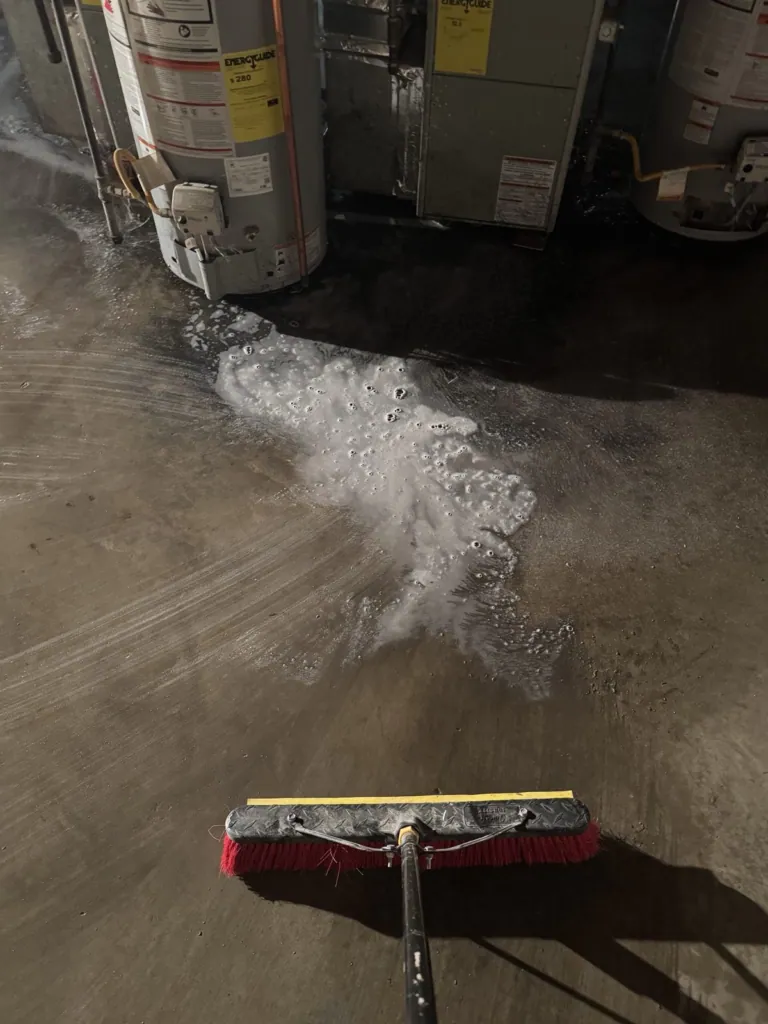
| Water heater | Look for rust, moisture, or pooling at the base; follow the manufacturer’s maintenance schedule | Every few months |
| Sump pump | Pour water in the pit to test; consider a battery backup | Before spring storms and yearly |
| Gutters and downspouts | Clear debris and extend downspouts away from the foundation | Spring and fall |
| Roof and attic | Look for missing shingles, stains, and damp insulation | Yearly and after storms |
| Caulk and grout | Reseal tubs, showers, and windows | As needed |
How to Prevent Frozen Pipes in Kansas City
- Keep the heat on, even when you travel. Avoid setting the thermostat too low.
- Insulate exposed pipes in crawlspaces, garages, attics, and exterior walls.
- Disconnect garden hoses and shut off and drain outdoor spigots before the first freeze. See how to winterize an outdoor faucet.
- Open cabinet doors under sinks on exterior walls during cold snaps so warm air reaches the pipes.
- Let faucets drip slightly on the coldest nights.
- Seal drafts around rim joists, crawlspace vents, and where pipes enter the house.
Warning Signs You Already Have a Leak
- A water bill that jumps without explanation
- Musty smells, stains, or bubbling paint
- Warped floors or soft spots near bathrooms and kitchens
- The sound of running water when everything is off
Spot any of these? Call us for a moisture inspection. Our technicians use thermal imaging and moisture meters to find hidden leaks without unnecessary demolition.
Install Leak Detection
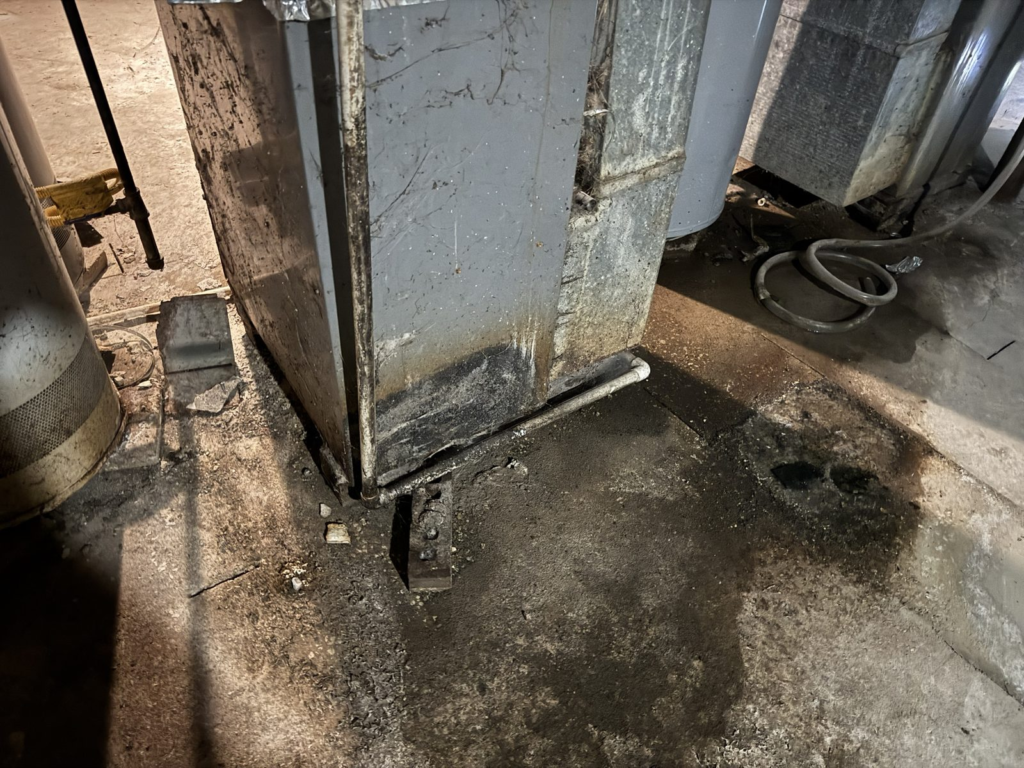
Smart leak detectors placed near water heaters, washing machines, sinks, and sump pits can alert your phone the moment they sense water. Some systems can even shut off your water automatically. Restor KC includes a free leak detection system with qualifying water damage jobs to help protect you from the next leak.
Check Your Insurance Before You Need It
Prevention also means knowing your coverage. Many standard policies exclude flooding and sewer backup unless you add coverage. Ask your agent about a water backup endorsement. Learn more in Will My Insurance Cover Water Damage Restoration?
If Water Damage Happens Anyway
Even the best-maintained homes have leaks. When it happens, stop the water, document the damage, and call a professional fast. Restor KC provides 24/7 water damage restoration and burst pipe cleanup across the Kansas City metro, then rebuilds everything.

Frequently Asked Questions
What is the most common cause of water damage in homes?
Plumbing failures are among the most common causes, including burst or leaking supply lines, failed water heaters, and appliance hose breaks. Many can be prevented with regular inspection.
How often should I replace washing machine hoses?
Inspect them yearly and replace them about every five years, or sooner if you see bulges, cracks, or rust. Braided stainless steel hoses are more durable than rubber.
How do I keep my pipes from freezing in Kansas City?
Keep the heat on, insulate exposed pipes, drain outdoor spigots, open sink cabinets on exterior walls, and let faucets drip on the coldest nights.
Do water leak detectors really work?
Yes. Leak detectors alert you as soon as they sense water, and some systems can shut off the main water supply automatically, limiting damage.
What should I do if a pipe bursts?
Shut off the main water valve, turn off power near the water if safe, document the damage, and call a 24/7 water restoration company right away.
Leak, Burst Pipe or Flooded Basement? Call Restor KC
Prevention goes a long way, but when water gets in, fast action matters. Our IICRC-certified team responds 24/7 to dry your home and rebuild it right.
Call 913-379-4445 or contact us online. Restor KC responds 24/7 across the Kansas City metro.
Restor KC: putting homeowners first, from the first call to the final walkthrough.