January 9, 2026
Can You Stay in Your Home During Fire Damage Restoration? What Homeowners Should Know
Experiencing a house fire is traumatic, and once the flames are extinguished, the long road to recovery begins. One of the most pressing questions homeowners face is whether it is safe or practical to remain in their homes during the fire damage restoration process. If you're located in Kansas City and dealing with the aftermath of a fire, understanding the complexities of restoration work is essential for making the best decision for your safety, health, and peace of mind. Let's take a closer look at what this process involves and what you should consider before deciding to stay in your house during restoration.
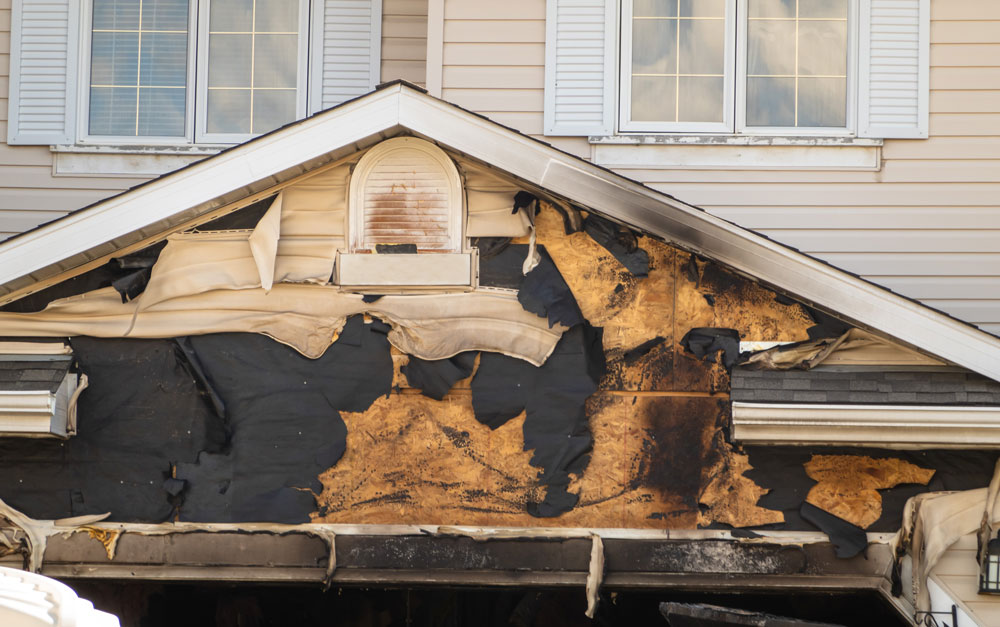
Understanding the Fire Damage Restoration Process
Fire damage restoration is a comprehensive process that includes multiple stages to return your home to a safe, livable condition. It begins with a full assessment of the damage, which includes not just visible charring and structural issues, but also less obvious problems like water damage from firefighting efforts and the lingering impact of smoke and soot.
Professionals handling fire damage restoration in Kansas City typically start with securing the property to prevent further damage, followed by removing debris and damaged materials. Next comes the crucial step of smoke damage cleanup, which involves specialized equipment and cleaning agents to remove toxic residues left by burning materials. After that, structural repairs are undertaken, ranging from drywall and flooring replacements to roof restoration. Finally, soot and odor removal is done using advanced deodorizing and air filtration technologies.
This entire process can span several days to several weeks, depending on the extent of the damage. During this time, the home may be filled with construction activity, drying equipment, cleaning chemicals, and compromised air quality, which all affect your ability to live there safely.
Health and Safety Considerations for Staying in the Home
One of the most critical factors in deciding whether you can remain in your home during fire restoration is the health risk posed by the aftermath of the fire. Smoke and soot contain dangerous particles that can linger in the air and on surfaces long after the fire is extinguished. These substances are not just unpleasant, they can also be hazardous to your health, especially for young children, elderly individuals, or those with respiratory conditions.
Even if parts of the house seem unaffected, cross-contamination is common. Soot can travel through air vents and settle in areas that look untouched by flames. This makes effective smoke damage cleanup essential before any decision to remain in the house is made. Professional cleaners use HEPA vacuums, ozone machines, and air scrubbers to ensure that airborne toxins are reduced to safe levels. Until this cleanup is thoroughly completed, staying in the house could pose a significant risk.
Additionally, restoration efforts often involve the use of industrial fans, dehumidifiers, and air purifiers that generate noise and require access to power outlets and rooms. Living amid this environment can be both inconvenient and stressful, particularly if parts of the home are sealed off or under construction.
Evaluating the Scope of Damage and Living Conditions
The extent of fire damage plays a crucial role in determining whether your home is habitable. If the fire was limited to a single room and there is no structural damage, it may be feasible to isolate that area and continue living in the house during repairs. However, if multiple rooms are affected, if there is water damage or mold growth, or if structural integrity is compromised, staying in the home could be unsafe and impractical.
Another key factor is whether utilities such as water, electricity, and gas are functional and safe to use. Fire restoration teams will usually inspect these systems to determine if they are secure. If they are shut off for safety or repair reasons, this could make day-to-day living impossible.
It's also important to consider the emotional toll. The smell of smoke, the constant reminder of damage, and the presence of workers can be mentally exhausting. Many homeowners in Kansas City find it more comfortable to temporarily relocate, even if staying in the house is technically possible. This allows professionals to work efficiently without interruption and gives families a chance to start processing the trauma in a more stable environment.
The Role of a Fire Restoration Contractor
Hiring the right fire restoration contractor near you is essential not just for efficient repairs, but also for making the decision about whether to stay in your home during restoration. A reputable contractor will conduct a thorough assessment, communicate clearly about timelines and risks, and provide recommendations based on the severity of the damage.
They will also coordinate with insurance companies, help you understand what is covered, and provide estimates for the full scope of repairs. Some contractors in Kansas City offer temporary housing options or can help connect you with local services for relocation assistance.
A good contractor understands that homeowners are under immense stress after a fire. They work to strike a balance between thorough restoration and minimizing the disruption to your life. However, their primary concern will always be safety. If they advise that it's best to leave the home temporarily, it is usually for good reason.
Returning After Restoration: What to Expect
Once restoration is complete, there is still a transition period before things feel normal again. Your contractor should provide documentation proving that soot and odor removal has been properly conducted and that indoor air quality meets acceptable standards. This is particularly important if you experienced extensive smoke infiltration or if materials like insulation and HVAC systems had to be replaced.
Before returning, make sure your home has been fully inspected for fire-related structural issues, hidden moisture (which can lead to mold), and any residual toxins. A deep cleaning of remaining furniture and textiles may be necessary as well, especially if they absorbed smoke odors.
Even after thorough smoke damage cleanup, some lingering smell or discoloration may remain in certain areas. These should be addressed before fully resuming daily life in the house. Also consider scheduling a follow-up inspection a few weeks after moving back in to ensure that everything remains in good condition and no new issues have surfaced.
Conclusion
Deciding whether you can live in your house after fire damage is not a simple choice. It depends on the extent of the destruction, the condition of your utilities, the health risks posed by lingering smoke and soot, and your tolerance for living in a construction zone. In Kansas City, where fire damage restoration services are readily available, working with an experienced fire restoration contractor near you is the best way to evaluate your options and proceed safely.
Restoration is a complex process that goes far beyond fixing what was visibly burned. It involves addressing the hidden dangers of smoke and soot, ensuring structural safety, and creating a clean and healthy environment for your return. While it may be possible in some cases to remain in the home during repairs, more often than not, temporary relocation is the safer and more comfortable choice. Once restoration is complete, and soot and odor removal has been verified, your home can once again become a place of safety and comfort.
What Our Restor KC Clients Say
Real experiences from homeowners who trusted Restor KC for restoration and flood recovery.
Your Dream Kitchen Starts Here
Ready to start planning your remodel? Schedule your free consultation
and take the first step toward the kitchen you’ve always wanted.